
Ford Concept Cars: History of 312 Concepts, Show Cars and Prototypes (1941–2025)
.png/v1/fill/w_320,h_320/file.jpg)
From plastic body panels and atomic-age scale models to quad-turbo V12s, fuel cells and seven-motor EVs, Ford has spent more than eight decades finding out what happens when an idea gets built. Sometimes it changes the industry. Sometimes it just gives the industry a very strange photograph.
The production Model T changed transportation, but Ford’s concept cars tell a different story: the experiments it could afford to try before committing to a showroom. Some had functioning powertrains and genuine research value; others were scale models, non-running styling studies, near-production previews or purpose-built motorsport demonstrators. That difference matters. A claimed top speed is not a test result, and a drawing of a turbine is not a working turbine.
This chronological reference documents 312 distinct Ford-associated concepts and experimental vehicles, including Ford of Europe, Ford Brazil, Ford Otosan and Ghia projects produced after Ford acquired the Italian coachbuilder. It consolidates duplicate names and separates outright Ford models from related coachbuilt or collaboration projects. It runs through publicly documented examples available by October 2026, with the last listed debut in 2025.
Scope: A concept here is a publicly presented Ford-sponsored design study, working engineering prototype, preproduction preview or clearly identified Ford Performance demonstration vehicle. Concepts that subsequently reached production remain included because their prototype stage mattered. Ordinary production variants, Mercury and Lincoln concepts, aftermarket SEMA customs and independent fan renderings are excluded; Ford-design-team virtual collaborations are identified explicitly. Specific archival catalogs contain conflicting debut years; those conflicts are called out rather than silently resolved.
About completeness: There is no definitive published registry of every internal Ford design mockup, unpublicized clay model, variant or one-off project. This is a wide-ranging, cross-checked public chronology, not a verifiable claim that no undocumented concept exists. Where a period source does not substantiate an engine or performance figure, none is invented.
Before the concept car: Ford’s early design precursors
1932 and 1934 — Edsel Ford’s custom speedsters. Edsel Ford worked with designer E. T. Gregorie on personal open sports cars, including the 1934 Model 40 Special Speedster with an aluminum body and Ford flathead V8. They belong to Ford design history, but they were private commissions, not publicly launched corporate motor-show concepts. Neither should inflate the formal concept count.
Jump to a decade
Ford Concepts from the 1940s
Materials came first. The earliest entry was an experiment in what a car could be made from.
1941 Ford Plastic Car (Soybean Car)
Henry Ford’s materials experiment used a tubular-steel structure carrying molded plastic body panels, rather than a conventional all-steel body. The demonstrator reportedly weighed roughly 2,000 pounds. Its exact resin formulation remains undocumented; calling it a car made entirely of soybeans is a catchy but inaccurate shorthand.

Ford Concepts from the 1950s
Detroit discovered tomorrow: fins, canopies, exotic energy proposals and the occasional genuinely operational laboratory.
1950 Ford Muroc
The Muroc was an advanced styling proposal from Ford’s early postwar experimentation, generally documented as a model rather than a roadgoing vehicle. Its importance lies in its speculative body design, not mechanical development. A working engine, chassis specification, or production program cannot be confidently assigned to it.
1952 Ford-Cisitalia 808XF
The Italian-bodied 808XF project combined Cisitalia’s coachbuilding approach with Ford-supplied mechanical components. It belongs at the boundary between experimental grand tourer and low-volume production proposal, rather than a Detroit motor-show fantasy. The project demonstrated how Ford hardware could support an entirely different sports-car silhouette.
1952 Ford Syrtis
Built as a scale design study, the Syrtis examined retractable-hardtop packaging years before Ford’s production Skyliner arrived. It was not a complete, roadgoing retractable. The moving-roof idea demanded considerable space behind the passenger compartment, a mechanical compromise that would follow the concept into real production cars.
1953 Ford Vega
Designer Vince Gardner created the Ford-sponsored Vega roadster with a lightweight, low-slung body and modified Ford Anglia underpinnings. A small Ford flathead V8 supplied its intended performance. Rather than promising a new Ford showroom model, the car explored how familiar running gear could be repackaged as a compact American sports car.
1953 Ford X-100
Unlike many dream cars, the X-100 was a working Lincoln-based laboratory wearing Ford’s future-facing styling. Its 317-cubic-inch overhead-valve V8 and automatic transmission were conventional; the equipment was not. Heated seating, an in-car telephone and other electrical features made the cabin a rolling forecast of convenience technology.
1954 Ford FX-Atmos
Three seats sat under a clear aircraft-style canopy, with the driver on the centerline and two passengers behind. Rear fins, front spears and handgrip controls made the FX-Atmos look airborne even when parked. It was a styling exhibition, not a tested nuclear, turbine or jet-powered automobile.
1954 Ford Maxima
The Maxima belonged to Ford’s mid-1950s experimental styling exercises, when glasshouse shapes and dramatic proportions mattered more than a production platform. Published documentation emphasizes its exterior proposal rather than a verified drivetrain. Treat it as a design study, not as evidence that Ford engineered a finished mechanical prototype.
1955 Ford La Tosca
Ford’s La Tosca joined the era’s research into futuristic luxury-car proportions, streamlined trim and a showpiece passenger compartment. Surviving accounts document the design far more clearly than the hardware beneath it. No trustworthy, consistent powertrain figure should be attached to the car merely because period illustrations suggest motion.
1955 Ford Mystere
A broad glass dome, rear-hinged passenger access and a spectacular tail section gave the Mystere the silhouette of a private aircraft. Ford showed it as a futuristic styling exercise in the mid-1950s; descriptions of a gas-turbine drivetrain were proposals, not proof that a functioning turbine-powered car existed.
1956 Ford Cougar
The original Cougar name appeared on a Ford show car before it became associated with Mercury’s production pony car. Its sleek personal-car body and sporting proportions formed the principal experiment. Ford explored identity and packaging rather than committing to a defined, production-ready engine and driveline.
1956 Ford Mexico
This Thunderbird-derived show-car proposal reconsidered how Ford’s two-seat personal car might be dressed for display. Its significance is in the reshaped body and visual treatment, not a new vehicle architecture. Documentation of the show car should not be confused with production Thunderbirds carrying similar promotional or trim names.
1957 Ford La Galaxie
Six-passenger accommodation and a dramatically extended windshield made La Galaxie a futuristic family luxury car. Ford also proposed an electronic proximity-warning system capable of stopping the vehicle before a collision. That safety feature was conceptual; the car is better understood as a vision of vehicle electronics than a verified autonomous driver-assistance demonstrator.
1957 Ford X-2000
The X-2000 advanced Ford’s taste for aircraft-derived detailing and an exaggerated rear body, imagining what later personal transportation might look like. Sources differ over whether to date it 1957 or 1958. More than one description circulates; a specific engine or claimed top speed would imply documentation that is not reliably available.
1958 Ford DePaolo
Named for racing driver Peter DePaolo, this Ford styling exercise brought competition associations to a road-car proposal. It represented an attempt to connect the company’s performance image with experimental body design. Reliable contemporary technical specifications are sparse, so claims about exact horsepower, displacement or a finished powertrain need caution.
1958 Ford Nucleon
A compact scale model imagined a car powered by a small nuclear reactor mounted behind the passenger cabin. The projected propulsion system, shielding and long-range operation were all hypothetical. No functioning reactor, roadgoing prototype or demonstrated nuclear drivetrain was ever installed; the Nucleon survives as a thought experiment about future energy.
1958 Ford Volante
The Volante took the space-age theme into the passenger compartment, using an unconventional low body and aircraft-inspired design language. Its historical significance is styling and proposed controls rather than a documented, running propulsion system. Period renderings cannot establish the mechanical specifications of an actual finished vehicle.
1958 Ford X-1000
Ford’s X-1000 explored the optimistic proportions and technology theater of late-1950s dream cars. As with several Ford studies of the period, the name survives more consistently than any verifiable drivetrain data. It deserves inclusion as a design project, but not invented dimensions or performance figures.
1959 Ford Levacar Mach I
The Levacar was an air-cushion experimental transport device, effectively asking whether a vehicle could float just above a prepared surface. It was not a normal car fitted with hidden wheels, and it should not be confused with Ford’s later Mustang Mach 1. Its speculative infrastructure requirements were a major obstacle to practical road use.
Ford Concepts from the 1960s
The space race met the pony-car era. Ford explored electric commuting, mid-engined sports cars and new ideas about family mobility.
1960 Ford IXG
Ford’s IXG explored advanced grand-touring styling as compact proportions and clean surfaces began replacing oversized fins. Documentation places it within the company’s experimental design program, but does not establish a reliable, production-specification engine package. The body proposal, rather than a verified road test, is its relevant contribution to Ford’s concept history.
1961 Ford Gyron
Alex Tremulis’s Gyron balanced its narrow body on two wheels arranged in line, with retractable outriggers supporting it when stationary. Gyroscopic stability formed the design premise, although the exhibition vehicle was not a usable highway car. The original was destroyed in the 1962 Ford Rotunda fire.
1962 Ford Cougar 406
Electrically operated gullwing doors made the Cougar 406 a striking fastback alternative to the usual personal coupe. The designation referenced Ford’s 406-cubic-inch FE-series V8, about 6.7 liters. Its job was to dramatize performance and comfort together, not to launch the later Mercury Cougar several years early.
1962 Ford Mustang I
A two-seat, mid-engined aluminum-bodied roadster, the first Mustang concept bore little mechanical resemblance to the four-seat production car. Ford used a Taunus-derived V4 behind the occupants and rear-wheel drive. Independent suspension and a compact racing-inspired body established Mustang as a performance idea before it became a pony car.
1962 Ford Seattle-ite XXI
Ford used the Seattle World’s Fair to imagine a six-wheeled grand tourer with twin front axles and alternative propulsion concepts. Interchangeable power modules and advanced navigation were ideas, not demonstrated showroom systems. Its unusual wheel layout makes more sense as speculative engineering packaging than as a credible near-term production plan.
1963 Ford Allegro
The Allegro was a rear-drive fastback with a 2.4-liter straight-six in its display configuration. Ford also discussed a front-drive layout using a smaller European V4. Adjustable pedal and steering-wheel positions explored driver ergonomics while the sleek fastback body signaled a smaller, sportier future for the brand.
1963 Ford Cougar II
The fiberglass-bodied Cougar II was a fixed-roof two-seat sports-car exercise with concealed headlamps and proportions reminiscent of European GTs. It used Ford V8 hardware and a front-engine, rear-drive layout. Distinguish it from the 1962 gullwing Cougar 406: similar names, different designs and mechanical intent.
1963 Ford Mustang II
This four-seat styling prototype bridged the radical mid-engined Mustang I and the production Mustang released in 1964. Built around Falcon-related mechanical architecture, it tested a long hood, short deck and open-top proportions. Here, Ford was moving from a showy sports-car idea toward a manufacturable pony-car formula.
1963 Ford Thunderbird Italien
The Italien was a customized Thunderbird with a lowered roofline, reshaped rear quarters and a dramatically altered appearance. It retained the underlying personal-luxury car rather than introducing a clean-sheet chassis. It belongs to the dealer-show and promotional-show-car tradition, where a familiar production platform supported an unfamiliar exterior.
1963 Ford Twister
The Twister represented Ford’s early-1960s fascination with reshaping familiar passenger-car hardware into distinctive display vehicles. Surviving references describe a styling concept more convincingly than a separate mechanical program. Without strong primary documentation, attaching a precise engine output or unique suspension layout would be speculation.
1964 Ford Aurora
The Aurora treated a family station wagon as an electronics laboratory. Its proposed cabin incorporated entertainment, communication and travel features, with a flexible area for rear passengers. The striking point was domestic convenience on wheels: Ford was investigating what families might do inside a car, not merely how rapidly it could travel.
1964 Ford Thunderbird Golden Palomino
This specially finished Thunderbird show car explored luxury through customized exterior color, decorative detailing and cabin presentation. The production Thunderbird supplied the recognizable personal-car architecture. Its significance is a distinctive styling and trim proposal, rather than an independently engineered engine, transmission or high-performance chassis.
1964 Ford Big Red Turbine Truck
The massive Big Red tractor-trailer was Ford’s gas-turbine technology demonstrator, not a passenger car. A two-trailer layout, advanced cab and turbine propulsion emphasized long-distance freight efficiency. Its operating hardware was real, but its specialized powerplant and economics never displaced conventional diesel trucks in production.
1965 Ford Mustang Mach 1 Show Car
Ford took the production Mustang’s basic proportions and turned them into a dramatically lower, more aggressive fastback study. The Mach 1 name debuted as a show-car idea before becoming a production performance badge. Revisions appeared later, so contemporary photos do not all show exactly the same configuration.
1965 Ford Thunderbird Town Landau Show Car
The Town Landau study pushed Thunderbird further toward formal personal luxury with its roof treatment and upscale trim. It functioned as a styling proposal developed around the existing Thunderbird rather than a new platform. Distinguish the promotional concept from the subsequently sold Thunderbird Town Landau production specification.
1965 Ford XP Bordinat Cobra
Ford styling chief Eugene Bordinat’s small two-seat Cobra proposal took the familiar V8 roadster idea toward a smoother, more integrated fiberglass body. It was a corporate design experiment, not a replacement announced for Carroll Shelby’s AC-based Cobra. Its exact prototype history is more secure than many circulating engine claims.
1966 Ford Bronco Dune Duster
The Dune Duster reworked the early Bronco into a more open recreational off-roader, emphasizing exposed occupants and beach-ready usability. The production Bronco’s rugged four-wheel-drive basis mattered more than luxury equipment. Later display versions explain why accounts sometimes assign the name several different years.
1966 Ford Econoline Apartment
An Econoline van became a demonstration of compact mobile living with an interior arranged for everyday tasks rather than cargo alone. The exercise anticipated later recreational-vehicle conversions while retaining recognizable commercial-van packaging. Its innovation was making usable floor area and storage feel like domestic space.
1966 Ford Fairlane GT-X
Based on a contemporary Fairlane, the GT-X mixed the production car’s familiar mechanical underpinnings with special bodywork produced with customizer Gene Winfield. It was a promotional performance show car, not an unrelated Ford sports model. The restored vehicle survives, allowing its unusual original proportions to be studied.
1966 Ford Galaxie GT A Go-Go
The GT A Go-Go turned Ford’s large Galaxie into a custom display car with show-focused trim and performance imagery. A full-size passenger-car foundation remained beneath the presentation. It is best categorized as a factory-promoted styling special, not as proof of a separate, production-intended high-performance Galaxie architecture.
1966 Ford GT-P
Ford’s GT-P presented an experimental sporting interpretation of the company’s contemporary performance vocabulary. The name appears in show-car catalogs, though consistent, primary technical figures are difficult to establish. Its inclusion acknowledges the documented design proposal without attributing the race-car specifications of an actual GT40 to it.
1966 Ford LTD Black Pearl
The Black Pearl was an LTD-based luxury show car, developed around Ford’s existing full-size platform. Its special finish, detailing and passenger accommodations were the principal attraction. It did not represent a clean-sheet powertrain development, and descriptions should not confuse the one-off trim study with the production LTD range.
1966 Ford Magic Cruiser
An experimental wagon, the Magic Cruiser explored passenger accommodation and a flexible rear compartment in Ford’s larger-car format. The idea focused on the family travel experience rather than outright performance. Its name has outlived clear public technical records, so its detailed operating mechanisms should not be inferred from promotional illustrations.
1967 Ford Allegro II
The Allegro II converted the original Allegro fastback theme into an open roadster with a shorter, more relaxed rear body. Like the coupe, it explored a compact sporting Ford rather than previewing a production nameplate. The styling change is documented more clearly than any claimed mechanical differences from Allegro I.
1967 Ford Comuta
This tiny British-built Ford commuter prototype used battery-electric drive, a short body and accommodation designed for dense city traffic. Conceived as an urban transport experiment rather than an ordinary family Ford, it confronted the same energy-storage and packaging constraints that still shape small EVs. It was genuinely electric, not a gas-turbine fantasy.
1967 Ford Mach 2
Kar Kraft built Ford’s mid-engined Mach 2 studies using modified Mustang-related underpinnings, a 289-cubic-inch Windsor V8 and a Colotti transaxle. Unlike a conventional Mustang, the engine sat behind the occupants. Ford later made clear the Mach 2 was not intended to become a mid-engined Mustang production variant.
1967 Ford Ranger II
The Ranger II imagined a pickup with a more passenger-car-like body and a retractable roof section behind the cab. That mechanism could alter cabin and bed use without a conventional full-size crew cab. Its appeal was packaging: it tried to make a truck useful for recreation as well as work.
1967 Ford Taunus Alpencoupe
The Taunus Alpencoupe was a European Ford design exercise that recast the everyday Taunus mechanical family as a sleeker sporting coupe. It belongs to Ford’s international concept story, not exclusively its American operations. Its significance is the transatlantic contrast between modest European components and aspirational grand-touring styling.
1968 Ford Fiera
The Fiera was one of Ford’s late-1960s sculptural styling studies, emphasizing an unusually low body and sports-car visual cues. Sources identify the concept but provide little dependable running-gear information. Rather than assigning it an engine copied from a contemporary Ford model, the defensible description centers on its design purpose.
1968 Ford Ranger III
A follow-up to the Ranger II idea, Ranger III continued experimenting with pickup passenger accommodation and custom body packaging. It showed how Ford could make an existing truck concept feel futuristic without discarding the pickup’s utility. Precise mechanical changes between the two Ranger show cars are not consistently documented.
1968 Ford Techna
The Techna carried forward Ford’s research into future vehicle controls, body aerodynamics and cabin design. Period styling accounts identify it as a concept rather than a regular production proposal. The surviving documentation does not justify attaching a detailed production powertrain specification to the show-car body.
1968 Ford Thunderbird Saturn I
The first Saturn Thunderbird experimented with a more theatrical interpretation of Ford’s personal luxury coupe. It retained the underlying Thunderbird identity while treating exterior surfaces and passenger electronics as show-car material. Its later companion, Saturn II, should be listed separately rather than mistaken for a simple alternative name.
1968 Ford Thunderbird Saturn II
Gold bodywork and an unusually instrumented cabin differentiated Saturn II from a showroom Thunderbird. Its proposed electronic trip-control card foreshadowed in-car route guidance, although Ford described that feature as theoretical. Period sources use 1968 and 1969 dates; the distinction often reflects show season versus the model-year vehicle.
1968 Ford Torino Machete Style I
The first Machete design transformed the Torino into a more dramatic performance-themed showpiece with distinct body surfacing and details. It was a styling exercise on familiar intermediate-car hardware. Ford later revised the theme as Machete Style II, making it important not to count repeated photographs as new vehicles.
1969 Ford Aurora II
Aurora II revisited Ford’s family-car futurism, again putting passenger convenience and long-distance travel ahead of conventional styling restraint. Its role was to illustrate how electronics and seating arrangements might change daily motoring. Unlike a production wagon, a concept could rearrange the interior without meeting every manufacturing compromise.
1969 Ford Econoline Kilimanjaro
The Kilimanjaro converted Ford’s boxy Econoline layout into an adventure-oriented show vehicle. Its appeal was the usable van interior and expedition presentation rather than a new engine family. Some lists date it 1969 and others 1970, a typical consequence of the original exhibition season and subsequent appearances.
1969 Ford Ranchero Scrambler
The Ranchero Scrambler applied a more recreational, image-conscious approach to Ford’s car-based pickup. Special body details and trim sharpened its dual identity as a passenger vehicle with an exposed cargo bed. The underlying Ranchero concept remained, illustrating how far Ford could stretch an existing body style for show duty.
1969 Ford Super Cobra
Super Cobra was a Ford performance-themed design study from the late-1960s show-car period. The name does not automatically identify a production Shelby Cobra or a GT40-based racer. Because sources disagree or remain silent on specific underbody hardware, the useful technical classification is a sporting design proposal.
1969 Ford Torino Machete Style II
The second Machete treatment revised the previous Torino show-car theme with fresh exterior detailing. Its mechanical roots remained linked to Ford’s intermediate-car family, not a dedicated sports-car chassis. Counting Style I and Style II as separate presentations is reasonable; describing them as unrelated new models is not.
Ford Concepts from the 1970s
Fuel worries and new lifestyles brought modular bodies, mini-vehicles, utility-car experiments and the first sustained Ghia portfolio.
1970 Ford Bronco Wildflower
The Wildflower made the first-generation Bronco an open-air lifestyle statement with vivid graphics, customized upholstery and removable-body versatility. It was built on recognizable four-wheel-drive Bronco hardware. Accounts place it around the 1970–71 show seasons, so the styling treatment is more certain than a single universal debut date.
1970 Ford City Star
Designed around the problems of urban congestion, City Star explored a smaller, city-focused Ford with compact exterior packaging. The concept belonged to the era when automakers were reconsidering vehicle footprint and maneuverability. Surviving summaries do not consistently identify a running powertrain, so its relevance is the proposed transportation format.
1970 Ford Maverick Runabout Concept
Before the Runabout body style entered regular Ford showrooms, the name and hatchback packaging appeared in experimental form. The proposal aimed to make an inexpensive compact car more practical through access to rear cargo space. Production association makes it important to separate concept presentation from subsequent dealer specifications.
1970 Ford Maverick Estate Coupe
Ford explored a wagon-style rear body for its economical Maverick coupe, increasing load flexibility without requiring a full-size estate car. Several catalogs describe closely related 1970 and 1971 Estate proposals, which may represent revisions rather than independent vehicles. The relevant technical change was cargo access and roof geometry, not a unique drivetrain.
1970 Ford Mustang Mach II
The Mach II name was reused for a Ford styling proposal separate from the mid-engined Mach 2 of 1967. Its appearance followed the Mustang’s growing performance image and the company’s appetite for fastback variations. Similar names in these years refer to different exercises and should not be merged.
1970 Ford Mustang Milano
The Milano imagined the next Mustang as a very low, sharply tapered fastback with a striking long hood and elaborate rear lighting. Although it rode on contemporary Mustang mechanical thinking, its dramatic bodywork was the story. Several later production Mustang details echoed the design without reproducing the concept itself.
1971 Ford GT70
Ford of Britain developed the GT70 as a compact, mid-engined sports-car project intended to support rally ambitions. Fiberglass bodywork covered a steel chassis and a Ford V6 powertrain. A handful of prototypes were built, but engineering development and changing competition priorities prevented a regular production or racing program.
1971 Ford LTD Berline I
The Berline I studied how a large Ford sedan could be reshaped around passenger comfort and more formal luxury proportions. It drew on production full-size-car packaging rather than a new propulsion concept. The later Berline II revisited the design, which is why the pair belongs together but not as a single entry.
1971 Ford Tridon
Tridon was a compact transport proposal rooted in Ford’s early-1970s research into city-friendly vehicle shapes. Its experimental arrangement addressed space efficiency and passenger use rather than established segment styling. Historical catalogs confirm the show-car name, but not the sort of production-ready mechanical specification often assigned to later concepts.
1971 Ford Transit SuperVan 1
Ford put a Transit van body over a purpose-built racing chassis and mid-mounted V8 to create SuperVan, a promotional machine unveiled in 1971. The contradiction was deliberate: familiar commercial-van panels surrounded serious competition hardware. Its claimed high speed belonged to a racing demonstrator, not to any normal delivery van.
1972 Ford Carousel
The Carousel was a lower, more garage-friendly alternative to the tall American van, combining three-row people-carrying ambitions with a wagon-like roofline. It foreshadowed the minivan formula years before the segment took off. Its distinctive packaging, not a breakthrough engine, was the concept’s major engineering argument.
1972 Ford Cirrus
A period Ford proposal for compact or intermediate transportation, Cirrus examined aerodynamic styling and passenger-car proportions during an era of changing fuel-economy expectations. The available records emphasize the body study. Treat precise chassis, engine-output and top-speed figures with caution unless a contemporaneous Ford engineering sheet accompanies them.
1972 Ford LTD Berline II
Berline II continued the large-sedan design research of the earlier Berline, changing the body treatment while retaining the concept’s emphasis on formal passenger accommodation. Its development illustrates iterative show-car design: the second name marks a revised proposal, not necessarily an entirely different vehicle platform.
1972 Ford Maverick LTD
This show-car variation asked whether a compact Maverick could adopt more upscale visual and interior cues usually associated with Ford’s larger LTD. Styling and positioning were the variables; the economical car’s recognizable architecture supplied the starting point. It was a test of perceived luxury, not a separate model range.
1972 Ford Experimental Safety Vehicle (ESV)
Ford’s experimental safety work investigated crash protection, structural reinforcement and occupant-restraint design beyond normal production requirements. ESV studies mattered because added protective systems affected vehicle weight, interior packaging and energy absorption. They were engineering research vehicles, and should not be treated as purely cosmetic show cars.
1972 Ford Pinto Sportiva
The Sportiva recast the Pinto as a livelier compact sporting proposal, changing the body presentation while working from small-car packaging. Its design was revisited in later show seasons, causing dates to vary among catalogs. The core experiment was affordable style and utility, not an unrelated sports-car drivetrain.
1973 Ford Big Bronco
Before the later full-size Bronco reached production, Ford explored how a larger truck-based sport-utility vehicle might be packaged and styled. The Big Bronco concept addressed the space and presence that a compact early Bronco could not deliver. It formed part of a broader reconsideration of recreational four-wheel drives.
1973 Ford Explorer SUV Concept
This Explorer was an early Ford concept name, not the familiar production Explorer introduced much later. It imagined the shape and practical use of a recreational utility vehicle at a time when SUVs had not yet become dominant family cars. Name continuity should not be mistaken for shared production mechanicals.
1973 Ford LTD Experimental Safety Vehicle
Built around Ford’s large-car architecture, the LTD safety study considered crash-energy management, occupant protection and the packaging consequences of added safety equipment. Unlike a paint-and-trim show special, it addressed measurable engineering trade-offs. Its importance lies in development methodology, not an unusual performance specification.
1973 Ford Mustela II
The Mustela II was a small-car styling experiment associated with Ford’s early-1970s studies of sporty yet practical transportation. Catalogs establish the design proposal, but publicly available technical data are limited. Its body shape and intended market niche can be described without treating speculative engine figures as verified engineering facts.
1974 Ford Coins
Coins was a Ford study from the period of rising interest in compact, efficient personal transportation. The proposed shape reflected packaging questions more than traditional long-hood styling. Its public documentation is thin; identifying it as a concept is sounder than claiming a precisely measured drag coefficient or unusual propulsion system.
1974 Ford Mustang II Sportiva
The Sportiva experimented with giving the downsized second-generation Mustang a more exotic sports-car identity. Distinctive roof and body arrangements sought extra versatility without changing the small-car foundation. Its ambitious styling remained a show exercise, not a production option package with a verified separate engine family.
1974 Ford Sportiva II
Sportiva II further developed Ford’s small sports-car and convertible packaging proposals. The later designation reflects a distinct design iteration rather than merely a trim-level change on a finished showroom car. Public records describe the styling approach more reliably than a separate drivetrain or independently tested performance figures.
1975 Ford Ghia Flashback
Developed with Ford-owned Ghia in Turin, the Flashback mixed a very short body with vintage-style radiator and wheel details. Its two-seat packaging suggested a nostalgic urban runabout. Crucially, it was a non-driving styling model; proposed four-cylinder propulsion should not be presented as an installed, operating engine.
1975 Ford Ghia Manx
The Manx explored an unusually informal compact vehicle with open-air recreational appeal, reflecting Ford and Ghia’s willingness to experiment beyond conventional sedans. Body design and possible uses were the principal questions. Specific drivetrain or production performance figures are not securely established in surviving public descriptions.
1975 Ford Urban Car
As cities grappled with congestion and energy use, Ford’s Urban Car examined a smaller package built around efficiency and maneuverability. It belongs to the same conceptual family as the company’s other metropolitan transport experiments. Its value is in the proposed footprint and cabin arrangement, not a certified range or consumption result.
1976 Ford Ghia MiniMax
MiniMax investigated how much useful passenger space a small exterior could provide. The tall, compact package treated seating position and access as engineering problems rather than following fashionable sports-car proportions. Built by Ford’s Ghia design operation, it demonstrated the potential of compact people-moving layouts before their widespread adoption.
1976 Ford Ghia Prima
The Prima used interchangeable rear-body sections to turn a compact base vehicle into several configurations, including a coupe-like fastback and a wagon-style load carrier. Its modular approach anticipated the desire for a single vehicle with several roles. The innovation was the body system, not a radical new engine.
1977 Ford Ghia Megastar
Ghia’s Megastar proposed an aerodynamic small grand tourer with a dramatically tapered body and carefully managed glass surfaces. Its proportions were strikingly different from many late-1970s production Fords. The styling model illustrated how efficiency and visual performance could coexist, without proving a particular fuel-consumption or speed target.
1978 Ford Ghia Corrida
Corrida was an open sporting Ford design study associated with Ghia’s willingness to mix everyday mechanical ideas and unconventional body forms. The focal point was small-car versatility and a distinctive passenger compartment. Sources differ in the level of technical detail, so specific engine outputs require more evidence than a catalog photograph.
1978 Ford Fiesta Fantasy
The Fantasy turned a humble front-drive Fiesta into a small pickup-like recreational concept with an open rear carrying area. Its engineering lesson was adaptability: a compact hatchback platform could underpin a radically different body. It was a show-car experiment, not a factory-built production Fiesta utility range.
1978 Ford Fiesta Tuareg
The Tuareg transformed Fiesta-based packaging into a compact off-road-styled recreational machine. Raised visual cues and utility-minded bodywork suggested a small vehicle for rougher settings, but styling is not proof of a fully developed four-wheel-drive system. Its real contribution was imagining the crossover before the term became routine.
1978 Ford Ghia GT80
GT80 was a Ghia-bodied sporting proposal that tested more futuristic coupe proportions, aerodynamic lines and a distinctive passenger compartment. It reflected the design studio’s growing role in exploring Ford products beyond standard production programs. Its documented shape should not be confused with proof of a working, competition-ready drivetrain.
1978 Ford Ghia Lucano
Named among Ghia’s experimental small-car proposals, the Lucano challenged conventional hatchback packaging through distinctive exterior surfaces and glazing. The show vehicle served design research rather than the announcement of a new showroom Ford. Reliable mechanical specifications remain too sparse for definitive horsepower or acceleration claims.
1978 Ford Ghia Megastar II
The second Megastar developed the earlier small grand-tourer idea into a revised sporting body. Rather than a production sequel, it was an evolutionary styling study with new proportions and detailing. The design’s aerodynamic intent is evident, but exact drag figures should only be used where backed by period engineering data.
1978 Ford Ghia Microsport
The Microsport was a remarkably compact Ghia sports-car proposal conceived around very small exterior dimensions. Its brief was to extract personality and useful seating from an urban-sized footprint. It was a design investigation, not a demonstrated high-performance model; a production engine specification cannot safely be assumed.
1978 Ford Mustang III
Ghia’s Mustang III explored a more compact, European-influenced body for the American nameplate. It was a stylistic alternative to the period’s actual production-car proportions. Its importance is the discussion it prompted about future Mustang identity, rather than an independently established chassis or powertrain program.
1979 Ford Ghia GTK
The GTK’s geometric body and hatchback-like cabin explored efficient packaging through the sharp-edged styling prevalent at the end of the 1970s. Ford’s Turin design operation used the show car to test proportions not yet suited to a production range. Mechanical details should remain secondary unless substantiated.
1979 Ford Mustang Daytona
The Mustang Daytona carried a more pointed, aerodynamic performance expression on a Mustang-based study. Its design was informed by changing ideas about drag and race-car appearance, not a new race series homologation requirement. Distinguish it from later third-party Mustangs wearing the Daytona label.
1979 Ford Mustang RSX
The RSX reworked a Fox-platform Mustang into a rally-inspired sports coupe with altered ride height, body geometry and all-terrain intent. Ghia contributed the distinctive exterior. Despite its competition look, the RSX was a show car exploring a possible direction for the platform rather than an announced rally production model.
1979 Ford Probe I
Probe I began Ford’s multi-year quest for lower aerodynamic drag using highly sculpted surfaces and a wedge-shaped passenger car body. Aerodynamic experimentation mattered more than styling convention. It established the series that would culminate in the highly efficient Probe IV and V concept vehicles during the following decade.
Ford Concepts from the 1980s
Wind tunnels took over from tailfins. Ghia meanwhile filled the show circuit with unusual ways to package engines and passengers.
1980 Ford Fiesta GTX
The GTX reimagined Europe’s Fiesta as a sharper, sportier small car with upgraded exterior detailing and a more purposeful stance. It exemplified the use of low-cost production mechanical architecture to develop a new image. The display model should not be conflated with any later production-market GTX trim naming.
1980 Ford Granada Altair
Ford’s Altair interpretation of the Granada investigated more aerodynamic styling for an otherwise conservative family-car segment. Lower visual mass and revised front and rear treatments were the principal design devices. Its interest lies in how mainstream sedan architecture could accommodate forward-looking shapes without demanding an all-new platform.
1980 Ford Mustang IMSA
The IMSA Mustang was a competition-flavored design proposal inspired by silhouette racing. Wide bodywork and aggressive aerodynamic treatment carried the motorsport message; the car was not a homologated production Mustang. It belongs with Ford’s show-car experiments that borrowed race-car imagery while retaining links to contemporary road models.
1980 Ford Ghia Navarre
Ghia’s Navarre took a modern approach to compact-car body design, experimenting with cabin proportions and crisp, economical exterior surfaces. Its documentation centers on the aesthetic and packaging proposal. There is insufficient reliable public evidence to describe it as a completed new drivetrain or to assign a measured efficiency gain.
1980 Ford Ghia Pockar
The Pockar was a miniature city-car proposal built around an unusual storage concept: luggage containers could fit into exterior body compartments. Its goal was to make a tiny passenger cell more useful without expanding the car’s overall footprint. Some references date its debut to 1981 rather than 1980.
1980 Ford Probe II
Probe II continued Ford’s increasingly disciplined aerodynamics program, moving past the first Probe’s styling drama toward body details intended to lower drag. The concept’s value was experimental work on air management around the nose, passenger cell and tail. It was not the production Ford Probe coupe that arrived later.
1981 Ford Ghia Aerovan
The Aerovan combined compact multi-passenger packaging with an aerodynamic exterior, anticipating the pressure to make family transport less box-shaped. Its shape treated the windshield and roof as a continuous airflow problem. Ford’s Ghia studio used such concepts to test ideas years before minivans and compact MPVs became routine.
1981 Ford Ghia Avantgarde
The Avantgarde brought Ford’s European small-car design thinking toward cleaner, more integrated surfaces and efficient interior packaging. It was intended to test visual and practical possibilities rather than launch a new range immediately. Its existence is documented more securely than any unique engine or independently measured aerodynamic performance.
1981 Ford Bronco Montana Lobo
The Montana Lobo applied concept-car imagination to the Bronco’s short-wheelbase utility format with aggressive body treatment and recreational equipment. Its hardware roots lay in the existing four-wheel-drive truck, while the display explored different ways to package outdoor activity and personal transport into a single vehicle.
1981 Ford Ghia Cockpit
The Cockpit made fuel efficiency a packaging exercise: two occupants sat in tandem under a hinged canopy in a tiny three-wheeler. A Piaggio 200 cc single-cylinder gasoline engine was specified at about 12 hp, driving the rear wheel. Its projected alternative electric drive was an option, not a separate verified production version.
1981 Ford Ghia EXP II
The EXP II studied a sportier, more aerodynamic interpretation of Ford’s compact mechanical package. Its visual language reflected the newly launched Escort and EXP era, emphasizing a lower body and more distinct cabin shape. It was a design proposal, not proof of an independent high-performance engine program.
1981 Ford Ghia Optim
The Optim explored urban vehicle packaging and passenger practicality under energy-efficiency pressure. Ghia used the concept format to rearrange conventional body expectations and create a clearer distinction between occupants and cargo. As with several small Ford studies, technical records remain too thin to justify precise power or fuel-economy claims.
1981 Ford Probe III
Probe III approached vehicle aerodynamics more systematically, developing a sleek four-door form with Ford of Europe’s future design direction in mind. Its smooth surfaces and low-drag emphasis informed the work leading toward the Sierra. It was more than an arbitrary styling wedge, even if particular drag figures vary by configuration and source.
1981 Ford Ghia Shuttler
The Shuttler experimented with short overall length and flexible interior packaging for urban transportation. The concept treated access, cabin height and seating efficiency as primary design variables. Its position in Ford’s portfolio is as a people-moving design study rather than a fully validated, mechanically distinctive commercial vehicle.
1981 Ford Ghia Super Gnat
Ghia’s Super Gnat was a tiny urban transport exercise intended to wring maximum function from minimum exterior dimensions. Its unconventional small-car proportions reflected fuel-conscious design thinking. Contemporary descriptions provide greater clarity about its format than about running-gear specifications, so the entry should stay focused on packaging.
1981 Ford Taurus Blackbird
The Blackbird name appeared in Ford’s exploratory sedan design work before the production Taurus reset American midsize styling. Its significance is a streamlined family-car shape under investigation, not a production-equivalent Taurus specification. Public documentation does not establish a finished drivetrain unique to this design study.
1982 Ford Ghia AC
The AC was a compact design exercise from Ford’s Italian studio centered on efficient body and cabin packaging. Its restrained size and unconventional proportions marked it as a city-car proposal. The surviving concept record supports the design identity but not a confident description of a tested, new powertrain.
1982 Ford AFV (Alternative Fuel Vehicle)
The AFV belonged to Ford’s research into nonstandard fuel systems and more energy-conscious mobility after the 1970s oil crises. It should be considered an engineering research vehicle rather than simply another experimental exterior. Public references vary on its hardware, so a specific fuel type or consumption figure requires model-specific proof.
1982 Ford Ghia Brezza
Brezza was a genuine mid-engined two-seat concept using Ford’s 1.6-liter CVH four-cylinder engine. Its rounded nose, covered rear wheel openings, flush glazing and partial underfloor fairing targeted lower aerodynamic drag. Ghia packaged practical mass-market mechanical parts inside a body far more exotic than an Escort.
1982 Ford Ghia Econocar
Econocar was a Ford efficiency study focused on reducing the space and energy required for everyday transportation. Its compact form and proposed engineering priorities reflected the shift away from oversized cars. Published information does not support a universal, trustworthy horsepower figure; the vehicle’s significance is the economical package itself.
1982 Ford Ghia Flair
Flair approached the compact Ford as an exercise in striking body design and interior usefulness. Ghia’s work explored different ways to reconcile small dimensions with a more upmarket visual identity. Despite the concept name’s appearance in multiple catalogs, its detailed mechanical specification is not clearly and consistently documented.
1982 Ford Probe IV
The Probe IV pushed Ford’s aerodynamic experimentation to an exceptionally low reported drag coefficient of about 0.15. Extensive wind-tunnel development shaped the body and controlled airflow around the wheels and underbody. Sources date its public appearance to 1982 or 1983; the engineering work is documented in an SAE technical paper.
1982 Ford Ghia Quicksilver
Designed by Ghia and shown in the early-to-mid-1980s, Quicksilver was a five-seat luxury sedan with a transversely mounted mid-engine 3.0-liter V6. Flush glazing and carefully considered cooling airflow aided aerodynamic efficiency. The packaging challenge was unusual: combining a mid-engine layout with the accommodation expected from a family sedan.
1982 Ford Ghia Topaz
Topaz was an experimental Ford/Ghia design name before the Mercury Topaz production compact. Its purpose was to test an alternative passenger-car form and styling direction. The show car should not be assigned the production Mercury model’s engine, chassis and dimensions solely because the two share a name.
1983 Ford Ghia Altair
This later Altair design study should not automatically be conflated with the earlier Granada Altair. Ghia’s early-1980s program repeatedly explored compact aerodynamic bodies under closely related themes. Unless source photographs and dates align, separating the recorded show-car identities is safer than copying specifications from one to the other.
1983 Ford Ghia Barchetta
The Barchetta was a two-seat open sports-car concept with Fiesta XR2 mechanical architecture: front-wheel drive and a 1.6-liter CVH four-cylinder. It retained the Fiesta’s basic wheelbase but used short front and rear overhangs. Ford considered small-run production; the resulting car never appeared in showrooms.
1983 Ford Ghia Trio
The Trio joined Ghia’s compact-transport proposals, investigating a small passenger footprint and flexible cabin arrangement. Its experimental appeal was a departure from the normal boxy small car. Detailed published engine information remains limited, so definite power, speed and production intentions should not be inferred from the car’s name alone.
1984 Ford Aerostar Concept
The Aerostar show vehicle previewed Ford’s approach to a more aerodynamic American minivan. A sloped nose and integrated windshield reduced the visual height and bulk associated with vans. Although the Aerostar later entered production, the concept marks the intermediate phase between early package studies and a manufacturable people carrier.
1984 Ford Ghia APV
APV stood for an advanced people-carrying vehicle proposal, investigating how a compact van-shaped body could use space efficiently while retaining low-drag styling. Ghia pushed the passenger compartment toward the vehicle corners. Its experimental packaging belongs to the same wider movement that produced the modern MPV and minivan.
1984 Ford Ghia Maya
Italdesign developed the Ford Maya, a mid-engined two-seat sports-car concept unveiled in Turin in 1984. Its compact coupe body and Ford V6 mechanical premise aimed at a potential production sports model. Ford commissioned further Maya variations, but the original proposal never entered the company’s regular manufacturing plans.
1984 Ford Mustang Ghia Vignale
This Ford/Ghia Mustang interpretation explored how the Fox-platform pony car might gain a more European grand-touring silhouette. Distinctive bodywork and cabin treatment separated it from a showroom Mustang. The concept examined positioning and exterior proportions rather than introducing a verified, separately developed powertrain family.
1984 Ford Mustang PPG
The PPG Mustang was a special show and pace-car-style interpretation of the Fox-body model with aerodynamic and promotional body treatment. Its Ford production roots remained obvious beneath the modifications. It should be cataloged as a one-off display or specialty vehicle, not confused with the standard Mustang trim hierarchy.
1984 Ford Thunderbird PPG
Ford’s PPG Thunderbird combined the production coupe’s mechanical foundation with a show-car exterior and event-focused presentation. The modifications served promotional and visual purposes rather than proving a new passenger-car platform. Its inclusion reflects Ford’s specialty-concept era, distinct from clean-sheet advanced engineering prototypes.
1984 Ford Vignale TSX-4
The Vignale TSX-4 was a distinctive four-seat design study exploring the intersection of sporting proportions and usable passenger space. The partnership with Italian coachbuilding design produced an alternative Ford silhouette. Publicly available sources support the styling proposal more strongly than any detailed, production-intended drivetrain specification.
1984 Ford Transit SuperVan 2
SuperVan 2 replaced the original formula with a Ford C100 Group C-derived chassis, a high-output Cosworth DFL V8 and a Transit-shaped fiberglass body. Its enormous cooling ducts, air dam and rear spoiler had real aerodynamic jobs. At Silverstone, the van-shaped prototype was reportedly timed at 174 mph.
1985 Ford Ghia Maya II ES
Maya II ES was one of two 1985 follow-ups to Italdesign’s original mid-engine Maya. It softened and revised the preceding coupe’s form to test the appeal of a more production-friendly sports-car silhouette. Its identity is distinct from the Maya II EM, whose turbocharged V6 provided a different technical emphasis.
1985 Ford Ghia Maya II EM
Maya II EM carried the sports-car proposal further, including a turbocharged 3.0-liter Ford V6 in its mid-engine package. The mechanical specification made it more than a mere restyling of the 1984 show car. Despite the promise of a distinctive roadgoing Ford sports coupe, no production program followed.
1985 Ford Eltec
Eltec was a technology-oriented vehicle program exploring how emerging electronics and new vehicle architecture could change daily motoring. The concept’s appearance in Ford records establishes its role as an experimental study. Mechanical claims beyond that need a specific period engineering source; its name alone does not identify a particular propulsion system.
1985 Ford Probe V
Probe V represented a later stage of Ford’s quest to minimize drag and improve the energy efficiency of conventional-looking passenger vehicles. The nearly seamless body, carefully integrated glazing and controlled airflow were the main technologies. It was not a preview of the eventual production Ford Probe by name alone.
1985 Ford Ghia Urby
The Urby was another ultra-compact urban vehicle proposal developed around reduced exterior dimensions, improved parking ease and basic passenger utility. Ford’s Italian studio treated city travel as its own design problem. The modest package was deliberate; claims of an unusual high-output engine would miss the point of the project.
1986 Ford Cobra 230 ME
The Cobra 230 ME explored a compact mid-engined performance car with a streamlined body and clearly separated passenger and engine zones. Unlike the classic front-engined Cobra, the concept’s architecture was defined by mechanical mass behind the occupants. Its development did not mature into a regular Ford sports model.
1986 Ford Vignale TSX-6
The TSX-6 expanded the Vignale partnership’s technical and visual ambitions beyond the earlier TSX-4. It explored another sporting passenger-car arrangement with a larger-body identity. Published records do not consistently confirm a fully functioning prototype or definitive engine calibration, so it is safest to describe the intended design package.
1987 Ford HFX Aerostar
HFX stood for High Feature Experimental, and the Aerostar test bed used an actual minivan to explore advanced safety, controls and vehicle electronics. Compared with styling-only studies, the point was to evaluate equipment in a practical passenger-carrying format. It anticipated later electronic features without proving that every display technology worked in production form.
1988 Ford Bronco DM-1
Derek Millsap’s DM-1 replaced traditional boxy Bronco styling with a much smoother, steel-reinforced fiberglass body and seating for five. Ford built a full-size proposal from the design work begun in the late 1980s. Archives variously associate it with 1988 and 1990, reflecting development versus display chronology.
1988 Ford Saguaro
The Saguaro examined Ford’s increasingly recreational approach to smaller passenger vehicles. Its name and design appeared during an era when everyday hatchbacks and off-road styling began converging. The prototype is documented as a show-car exercise, but reliable complete mechanical data remain too limited for confident horsepower or four-wheel-drive claims.
1988 Ford Splash
The Splash concept explored a more playful pickup or small-utility identity, foreshadowing the growing market for trucks sold on appearance and recreation. Its bright, stylized presentation mattered as much as mechanical specification. Distinguish it from later factory Rangers sold with the production Splash designation.
1989 Ford Fiesta Urba
Fiesta Urba explored a city-centric version of Ford’s supermini, with modifications aimed at utility and urban presentation. It was a design statement built around the recognizable small European hatchback format. The concept’s historical value is its altered body and use case, not an independently verified engine-development program.
1989 Ford Colani Prototype
Industrial designer Luigi Colani’s Ford-associated prototype demonstrated the extreme streamlining and organic body shapes that became his signature. The project occupies the edge of Ford’s factory concept history because the designer’s involvement was central. It should be identified as a design collaboration, not automatically as a fully engineered corporate production proposal.
1989 Ford Via
Via investigated a lightweight, aerodynamic everyday car with a futuristic passenger compartment. The study reflected Ford’s interest in reducing energy consumption while maintaining practical seating. Its outwardly simple package concealed ambitious design research, though a precise public engineering spec sheet is not consistently available.
Ford Concepts from the 1990s
Ford tried almost everything: sports-car revivals, safety laboratories, hybrid efficiency and supercars with deeply unreasonable engine rooms.
1990 Ford F-150 Street
The Street concept showed how Ford could recast an everyday F-Series pickup for pavement-oriented appearance and performance. Lower visual mass and sportier body treatment signaled a different buyer from the work-truck audience. It was part of the journey toward more lifestyle-driven pickups, not a production SVT Lightning.
1990 Ford Fiesta Bebop
The Bebop gave the Fiesta a recreational open-air identity, exploring an unusual body arrangement rather than the conventional three-door hatch. Its small front-drive roots remained part of the package. The point was a different relationship between passengers, weather and cargo, not a bespoke racing engine.
1990 Ford Explorer Desk Drive
An experimental Explorer interior turned the SUV into a mobile workspace, emphasizing communication, seat arrangement and equipment accessibility. The project anticipated the vehicle-as-office theme long before connected-car services became mainstream. Its engineering question was how usable a work environment could fit inside a conventional sport-utility shell.
1990 Ford Shoccc Wave
The Shoccc Wave blended Ford’s performance styling and a futuristic recreational body concept at the turn of the 1990s. Its unusually spelled name is part of the original catalog record. Surviving public sources give stronger evidence of the design exercise than any bespoke engine or acceleration data.
1990 Ford Explorer Surf
Surf was a beach- and recreation-oriented Explorer concept illustrating how a family utility vehicle could be presented as activity equipment. Special body or interior features took priority over a new architecture. It marked the period when SUVs were becoming personal lifestyle vehicles instead of primarily work-oriented four-wheel drives.
1990 Ford Zag
Zag was one half of Ford’s experimental Zig-and-Zag design pairing, developed to study compact, flexible urban transport. Its body form offered a distinctive answer to commuting and practical cabin use. Because the paired vehicles were separate concepts, both merit entries rather than being merged into a single model.
1990 Ford Zig
Zig complemented the Zag in Ford’s compact personal-transport exploration, testing a different configuration within a shared experimental design program. The duo challenged assumptions about what an affordable small vehicle should look like. Technical claims should remain tied to each concept individually rather than automatically treating them as identical.
1991 Ford Contour Concept
The 1991 Contour proposed an extraordinary transverse straight-eight engine with drive taken from the center of its crankshaft. Donald Carriere’s T-Drive layout aimed to make a long inline engine compatible with a wide, efficient passenger compartment. This concept was unrelated to the mechanically conventional Contour sedan later sold in North America.
1991 Ford Ranger Force 5
Force 5 presented the Ranger pickup as a more aggressively styled personal-adventure machine. Revised bodywork and utility features emphasized active use over conventional work-truck restraint. Its engineering foundation was rooted in Ford’s compact pickup program, but it was a show proposal rather than an independent production truck line.
1992 Ford Boss Bronco
Unveiled in late 1991 and displayed in the 1992 show season, the Boss Bronco restyled a fifth-generation full-size Bronco. It featured a power-dome hood, retractable roof treatment and wraparound rear step bumper. Yellow paint completed the package; its mechanical roots remained those of Ford’s existing SUV.
1992 Ford Ghia Connecta
Connecta was a Ghia proposal that treated compact passenger-car architecture as a platform for social seating and flexible use. Its interior was as relevant as its exterior. Ford’s continuing experiments with adaptable passenger space helped anticipate the more modular cabin ideas later found in MPVs.
1992 Ford Explorer Drifter
Drifter was a modified Explorer concept emphasizing outdoor leisure, mobile equipment and a more individual visual identity. It retained the recognizably useful SUV format while exploring specialist lifestyle packaging. Its context is the rise of the family recreational SUV, not a one-off replacement for the Explorer platform.
1992 Ford Ghia Focus
Six years before the production Focus hatchback, the Ghia Focus was a compact open sports car based on a shortened Escort RS Cosworth platform. Its turbocharged 2.0-liter engine delivered a quoted 230 hp through four-wheel drive. Carbon-fiber composite body panels made the package substantially more exotic than its later namesake.
1993 Ford Mustang Mach III
Ford’s Mach III roadster previewed the broad direction of the fourth-generation Mustang in a radically simplified, open body. A supercharged 4.6-liter Modular V8 was rated at a claimed 450 hp. The curvaceous styling was more dramatic than the eventual production car, but several themes survived.
1993 Ford Ranger Jukebox
The Jukebox concept treated the Ranger as a platform for entertainment-oriented customization, with a name clearly prioritizing in-car audio and presentation. The underlying compact-pickup structure remained Ford’s familiar starting point. Its historical interest is the crossover between truck culture and mobile media, not a distinct engine architecture.
1993 Ford sub-B
Sub-B was a design exercise aimed at a segment below conventional compact cars, confronting the challenge of inexpensive construction and very small exterior size. Ford’s concept work explored how packaging could preserve passenger usefulness. The project is better understood as an urban-car proposal than a verified production vehicle program.
1993 Ford Synthesis 2010
Synthesis 2010 imagined future family-car efficiency using advanced aerodynamics, lightweight construction and projected powertrain technology. The year 2010 referred to its design horizon, not its debut. Like many forward-looking efficiency studies, its targets should be separated from laboratory-demonstrated performance or production certification.
1994 Ford Ghia Arioso
Arioso was a four-seat coupe using a 2.5-liter 24-valve V6 related to the European Mondeo. An aluminum spaceframe carried detachable carbon-fiber body panels, while a retracting roof and rear glass transformed the cabin opening. It was a sophisticated structural experiment, not just another unusually shaped Ghia model.
1994 Ford EVent
EVent examined battery-electric passenger transportation before EVs became a mainstream consumer category. The concept addressed electric power delivery and small-car packaging within Ford’s advanced-vehicle research. Public accounts are insufficient to assign a single, reliably verified battery capacity or range figure without period source documentation.
1994 Ford Outback Bronco
Outback Bronco revisited the Boss Bronco’s full-size off-road image with a new hood, heavy-duty front protection, winch, auxiliary lighting and widened arches. Its equipment made the concept feel more expedition-ready than a stock vehicle. The existing Bronco architecture remained underneath the purposeful accessories.
1994 Ford Powerstroke
Powerstroke was a Ford design concept associated with the evolving diesel-truck and utility identity of the early 1990s. The name was also used for production diesel engines, but that does not turn this design study into an entirely new powerplant program. Its show-car identity should be kept distinct from Ford’s engine branding.
1994 Ford Profile
The Profile explored a flexible passenger-vehicle package with advanced styling and utility features. Its name describes the reshaping of conventional vehicle expectations through a different roofline and interior relationship. The historical record confirms the proposal but not a complete, consistently sourced list of mechanical specifications.
1994 Ford Ranger Sea Splash and Sky Splash
Ford explored recreational uses of the compact Ranger through paired Sea Splash and Sky Splash proposals. The concepts changed the truck’s visual and lifestyle presentation to suit different outdoor activities. Because the two designs were related demonstrations, their technical meaning lies in adaptability rather than new pickup engineering.
1994 Ford Transit SuperVan 3
The third SuperVan rebuilt the earlier race-based demonstrator beneath a scaled Transit-style fiberglass shell and fitted a Cosworth HB racing V8. Despite its commercial-vehicle silhouette, virtually nothing about its racing architecture belonged on a normal delivery route. Subsequent refurbishments changed the engine without creating a separate original concept.
1994 Ford Mustang Boss 10.0L
Ford SVT engineers installed an extraordinary 10.0-liter V8 in a fourth-generation Mustang-based experimental performance car. The heavily developed engine reportedly produced about 855 hp, far beyond the production Cobra. It was a single-minded engineering showcase, not a limited-edition road car customers could order from Ford.
1995 Ford GT90
The GT90 combined an aluminum-and-carbon-fiber chassis with a mid-mounted 5.9-liter quad-turbocharged V12 derived from Ford Modular-engine thinking. Ford quoted 720 hp, making it one of the company’s most extraordinary show cars. Its widely repeated maximum-speed figures were projections, not independently verified tests.
1995 Ford SHO-Star
The SHO-Star explored whether Taurus SHO performance could support a different, sleeker family-performance vehicle format. Its aim was to merge sports-car appearance with usable passenger packaging. It was a concept proposal rather than a standard Taurus SHO variant with an independent production program.
1995 Ford Triton
Triton was a futuristic Ford utility and recreational design study at a time when the company’s modular V8 and V10 engine family also adopted that name. The show vehicle should not be treated as an engine specification merely because of the shared branding. Its value lies in the proposed vehicle format.
1996 Ford Adrenalin
Ford introduced the Adrenalin pickup study in 1996, using a four-door, five-passenger cab and a short cargo bed to bridge SUV comfort and truck utility. The rugged four-wheel-drive proposal helped shape the production Explorer Sport Trac. It was a functional market-direction study, not a Ghia sports car.
1996 Ford Ghia Alpe
Alpe borrowed alpine and outdoor associations to explore a smaller utility-vehicle package with personality beyond a basic economy car. Ghia’s styling emphasized practical dimensions and an adventurous stance. Whether every proposed all-terrain feature was functional is not firmly established by standard concept listings.
1996 Ford Econoline Chicane
The Chicane turned a commercial Econoline into a more polished personal-use or entertainment-oriented show vehicle. Its underlying van construction supplied the volume needed for an elaborate interior. Here, the engineering discussion is cabin space and specialist conversion, not a clean-sheet chassis or unconventional engine.
1996 Ford Indigo
The Indigo was an open two-seat supercar inspired by Indy racing and built around a carbon-fiber monocoque. Its mid-mounted, naturally aspirated 6.0-liter V12 produced a reported 435 hp, using Duratec-derived components and Cosworth development. Its V12 was fundamentally different from the quad-turbo engine in the GT90.
1996 Ford Ghia Lynx
Lynx was a futuristic Ford/Ghia sporty-car proposal that challenged the boundaries between small-car practicality and open-air visual drama. Styling was the central experiment, and the concept’s body did not mature into a production Ford. Sparse public mechanical data make the often-repeated performance estimates hard to substantiate.
1996 Ford Ghia Saetta
The Saetta was a compact convertible study with a distinctive retracting-roof approach and Ford small-car mechanical associations. It helped illustrate Ford’s interest in making open-top motoring more practical for urban buyers. Its concept technology and proportions later echoed ideas pursued in the production StreetKa.
1996 Ford Synergy 2010
Ford’s Synergy 2010 examined whether a practical family vehicle could approach very high fuel efficiency through lightweight construction, low aerodynamic drag and hybrid technology. A small diesel-electric drivetrain formed part of the proposal. The advertised economy target was an ambition, not an EPA-certified production rating.
1996 Ford Ghia Vivace
Vivace was a sporty 2+2 coupe associated with the Mondeo’s 2.5-liter V6 and Ghia’s advanced construction work. It was more tightly packaged than the four-seat Arioso and explored a different balance between style and usability. The shared engine family should not obscure the distinction between their body architectures.
1997 Ford Powerforce
Powerforce was a bold pickup design proposal with heavy-duty visual cues, large wheels and a stronger road presence than ordinary trucks of its day. It signaled Ford’s interest in turning pickup capability into emotional design. The show vehicle should not be confused with later Power Stroke engine nomenclature.
1997 Ford Ranger Baja Baby
Baja Baby explored desert-racing and recreation cues on Ford’s compact Ranger. Its design made compact dimensions and off-road agility part of the appeal, rather than pretending to be a heavy-duty work truck. The concept’s racing look does not by itself establish entry in a sanctioned competition program.
1997 Ford Ranger Sandcourt
The Sandcourt was another activity-specific Ranger proposal, emphasizing open-air sport and the truck’s ability to transport people and equipment for recreation. It belongs to the same promotional period as several Ranger lifestyle studies. Its distinct presentation warrants separate cataloging, not invented mechanical changes from the stock truck.
1997 Ford Ghia Rox
Rox was a compact, rugged-looking Ghia concept using a practical small-car footprint to suggest more adventurous transportation. Its identity sat between urban transport and lightweight recreational utility. The show vehicle was a styling and packaging proposition, not proof of a completely engineered mass-market crossover.
1998 Ford Courier F1
The Courier F1 reconsidered how a small commercial vehicle could look and work when compact delivery needs were prioritized. Its styling treated cargo access and usable enclosed space as important design elements. The name should not be confused with Formula One powertrains or unrelated Courier models sold in different markets.
1998 Ford Focus Preview
Before the first-generation Focus reached showrooms, Ford presented its New Edge compact-car language through previews and prototypes. Dramatic intersecting surfaces supported practical, front-wheel-drive hatchback packaging. This entry is for preproduction styling work, not the eventual Focus production range itself.
1998 Ford Ghia Libre
Libre was a Ford/Ghia study of flexible, open-air passenger transportation. It explored a different relationship between body enclosure, seating and utility from that of a conventional hatchback. Contemporary records establish the concept, but reliable publicly available propulsion details are too limited for precise horsepower claims.
1998 Ford Santa Fe
Santa Fe was a Ford show-car name used for a special vehicle proposal before Hyundai popularized the same nameplate. The project explored recreational styling and passenger utility within recognizable Ford dimensions. It should be identified by maker and year to avoid confusion with the unrelated production Hyundai SUV.
1998 Ford Super Crewzer
The Super Crewzer presented an upscale, long-body pickup concept emphasizing full passenger accommodation alongside truck utility. It anticipated the stronger role of four-door pickups as family transport. Its appeal was the combination of cabin comfort, presence and cargo capacity, not necessarily a unique engine design.
1998 Ford Turing Ka
The Turing Ka was a special interpretation of Ford’s small European Ka, using distinctive styling and equipment to explore a different character for the existing city-car architecture. The baseline Ka’s compact, front-drive packaging remained central. Its importance is the proposed new persona, not a separate platform.
1998 Ford Mustang Super Stallion
The Super Stallion was a street-legal Ford engineering demonstrator with a supercharged 5.4-liter DOHC V8 calibrated for flexible-fuel operation, including E85 ethanol. Ford reported up to 590 hp on the appropriate fuel. Independent rear suspension and substantial brake upgrades made this far more than a paint-and-wheels show car.
1999 Ford 021C
Designed by Marc Newson, the 021C was a deliberately simple sedan with clean geometry, bright orange bodywork and an unusually uncluttered cabin. Rear-hinged rear doors and carefully integrated storage emphasized everyday usability. Its numerical name referenced a color designation rather than the size of an exotic powertrain.
1999 Ford Mustang FR500
The FR500 was a Ford Racing performance-development Mustang using serious chassis, engine and suspension modifications as a technical test bed. It explored how a production-platform car might be engineered beyond regular showroom tolerances. Unlike purely stylistic show cars, the FR500 had direct high-performance engineering intent.
1999 Ford P2000
P2000 was an advanced-vehicle research program investigating lightweight structures and alternative propulsion, including fuel-cell demonstrations. The emphasis was reducing weight and improving efficiency within usable passenger-car packaging. Different P2000 derivatives had different mechanical systems; there is no single engine specification suitable for every version.
1999 Ford Puma ST160
The ST160 concept explored a hotter version of the compact European Puma coupe, sharpening its sporting specification and appearance. It helped establish the appetite for more specialized small Ford performance cars. The ST160 label should not be mistaken for proof that a production Puma ST160 was launched unchanged.
1999 Ford Ranger Powerforce
The Ranger Powerforce translated the compact pickup into a tougher, more aggressive sporting utility concept. Styling modifications and a more assertive stance made the platform feel larger than its standard dimensions. As a show truck, it emphasized presentation and market positioning more than a documented new engine architecture.
1999 Ford Thunderbird Concept
Ford’s Thunderbird revival concept returned to two-seat personal-luxury proportions, a long hood and nostalgic cues from the 1950s original. The show car informed a production roadster introduced soon afterward. Its technical achievement was packaging classic styling around modern Jaguar/Ford-related rear-drive mechanical components.
1999 Ford Bronco U260
The U260 designation appeared on Bronco revival studies developed around the turn of the millennium. The proposals revived the short-wheelbase, upright proportions of early Broncos while exploring modern structural and passenger requirements. Different catalogs place the program in 1999 or 2001; U260 was an internal project reference, not a retail model name.
Ford Concepts from the 2000s
The digital dashboard, crossover SUV and alternative-fuel drivetrain arrived on the same show floor.
2000 Ford 24.7 Coupe
The 24.7 Coupe investigated how a conventional personal car could be built around digital connectivity and simplified interior controls. Its sleek body hid a highly screen-oriented vision of vehicle operation. Named for around-the-clock access to information, the car represented the early internet era’s idea of modern mobility.
2000 Ford 24.7 Pickup
In pickup form, the 24.7 experiment extended Ford’s digital-dashboard thinking into a vehicle with an exposed cargo bed. Its minimalist cabin and connected-services focus challenged the utilitarian norm. The pickup was a separate design from the companion coupe and wagon, not simply a photographic variation of one body.
2000 Ford 24.7 Wagon
The 24.7 Wagon applied the same connected-car philosophy to a larger passenger-and-cargo package. Digital displays and an uncluttered interior were more important to its brief than engine development. Its existence alongside the coupe and pickup showed Ford testing an entire family of internet-age vehicle forms.
2000 Ford Desert Excursion
Desert Excursion turned the large Ford SUV into an extreme recreation proposal, using off-road-oriented styling and equipment to emphasize its ability to carry people far from paved roads. The underlying Excursion-size footprint was the whole point: personal adventure presented at heavy-duty scale, without claiming an unrelated new platform.
2000 Ford e.go
The e.go concept examined how a very small vehicle might serve emerging urban-mobility needs. Compact dimensions and functional passenger packaging took precedence over speed or status. Catalog references are geographically inconsistent, so a precise production country or running drivetrain should not be asserted without period documentation.
2000 Ford Equator
Equator was a rugged SUV proposal that mixed Ford truck design language with a more adventure-focused body. It anticipated some of the large crossover and global utility-vehicle themes that followed. The Equator name was reused in later concepts and markets, so a single engine specification cannot cover every incarnation.
2000 Ford Focus FR200
FR200 was a performance-development version of the early Focus hatchback, exploring more aggressive engine and chassis tuning around the front-drive compact platform. Ford Racing involvement gave it a stronger engineering brief than ordinary appearance packages. It demonstrated the tuning potential of Ford’s new global compact architecture.
2000 Ford Prodigy
Designed under the drive for ultra-efficient family vehicles, Prodigy used aerodynamic bodywork and a small diesel-electric hybrid system to pursue ambitious fuel consumption. The idea was to retain sedan usefulness while reducing energy demands through propulsion and mass management. Concept targets are not equivalent to certified production mileage.
2000 Ford StreetKa Concept
Before the production StreetKa, Ford showed the idea of converting the quirky city Ka into a two-seat convertible. Short overhangs and exposed occupants preserved the little car’s personality. The concept tested whether affordable open-top fun could work on small-car mechanical architecture without becoming a traditional sports car.
2000 Ford Urban Explorer
Urban Explorer reframed the SUV’s identity for city use, combining a useful passenger compartment and a tougher visual posture with less emphasis on backcountry conditions. The concept reflected growing crossover demand: people wanted the visibility and versatility of an SUV without necessarily needing a truck-sized vehicle.
2001 Ford EX
The EX was a bare-bones off-road concept built to highlight suspension articulation, exposed structural elements and the mechanics of trail driving. Its open body placed wheels and chassis hardware on display. Rather than disguising the machine beneath luxury trim, Ford made the rugged platform itself the centerpiece.
2001 Ford Explorer Sportsman
Ford’s Sportsman concept was an Explorer-based leisure vehicle with specially configured space and equipment for outdoor pursuits. Its practical idea was to make the SUV adapt to an activity rather than ask owners to adapt around the vehicle. It remained a special concept, not a separate production Explorer architecture.
2001 Ford F-150 Lightning Rod
Lightning Rod pushed the performance-pickup formula into show-car territory with low-slung styling and an emphatic street-truck stance. The design borrowed the aura of the SVT Lightning without simply announcing another production trim. Its main technical discussion was the relationship between truck platform, handling image and aerodynamics.
2001 Ford Forty-Nine
Inspired by Ford’s pivotal 1949 design, the Forty-Nine concept presented a long, low modern coupe with pillarless-style glazing and a clean horizontal body. Power came from a Jaguar-related 3.9-liter V8. Instead of mechanical nostalgia, it used contemporary luxury-car engineering beneath an intentionally retro exterior.
2001 Ford Focus FCV
The Focus FCV was a hydrogen fuel-cell development vehicle based on Ford’s global compact platform. Fuel-cell electricity drove the wheels through an electric motor, with onboard systems converting stored hydrogen and oxygen into electrical energy. It was an engineering test bed for zero-tailpipe-carbon propulsion, not a conventional gasoline Focus.
2001 Ford Thunderbird Sports Roadster
The Sports Roadster revisited the revived Thunderbird with a more open, classic two-seat presentation and styling details echoing mid-1950s Fords. Its mechanical base was the modern rear-drive Thunderbird. The concept emphasized the car’s emotional heritage rather than inventing a new mid-engined sports-car architecture.
2002 Ford F-350 Tonka
The Tonka concept turned a heavy-duty F-350 truck into a striking industrial showpiece with bold body panels and toy-inspired proportions. Its massive utility hardware gave the design credibility beneath the bright presentation. It celebrated torque and towing image rather than demonstrating a completely unrelated propulsion system.
2002 Ford MA
Designed by José Paris, the MA was an ultra-minimal two-seat electric roadster using aluminum, bamboo and carbon-fiber components joined largely by removable titanium fasteners. The lightweight structure eliminated conventional welding and prioritized disassembly and recyclability. Ford displayed it as both transportation design and an industrial-design object.
2002 Ford Fusion Concept
This European Fusion study examined a taller, more practical small-car package derived from the Fiesta class. The elevated body and versatile load area blended hatchback maneuverability with some of the appeal of an SUV. It previews a European model distinct from the later American midsize Fusion sedan.
2002 Ford GT40 Concept
Ford’s GT40 revival concept returned to the proportions of its famous 1960s endurance racer while adopting modern safety, packaging and construction. A supercharged 5.4-liter V8 and aluminum spaceframe underpinned the project. It evolved into the production Ford GT, which ultimately dropped the original GT40 name.
2002 Ford R7
R7 was a compact utility and people-carrying concept designed for flexibility, including adaptable seating and a practical cabin. The boxier package pursued useful interior volume rather than sports-car aerodynamics. It is one of Ford’s less-remembered steps toward mainstream crossover and MPV thinking in the early 2000s.
2002 Ford S2RV Safety Research Vehicle
Ford’s Smart Safe Research Vehicle program examined crash sensing, occupant protection and electronically coordinated safety technologies. The objective was to prepare vehicles to react more intelligently to occupants and crash conditions. Its prototypes were engineering laboratories, not simply differently painted versions of production vehicles.
2002 Ford Focus C-MAX Concept
Shown at the 2002 Paris Motor Show, the Focus C-MAX concept stretched Ford’s compact-car logic into a taller, more versatile family vehicle. The roomy cabin and adaptable passenger package were paired with Focus-like road manners. It directly previewed Ford’s production compact MPV rather than a standalone exotic propulsion system.
2002 Ford Expedition Everest Concept
The Everest study adapted Expedition-sized SUV packaging for more ambitious recreational travel, exploring added equipment, interior utility and large-vehicle versatility. It belongs to Ford’s big-SUV show-car experiments rather than the later separate global Everest production model. Public records do not establish an independently engineered engine family for the show vehicle.
2003 Ford 427
A full-size rear-drive performance-sedan proposal, the 427 concept revived muscular Ford styling with a low roof and broad shoulders. Its V10 engine used a displacement of about 7.0 liters, matching 427 cubic inches in name. It suggested a serious four-door performance flagship that never reached showrooms.
2003 Ford Faction
Faction was a compact sporting concept designed to appeal to younger drivers with a distinctive body and customizable feel. The exterior treated affordability and individuality as compatible design goals. It explored a possible small-car positioning rather than an entirely new powertrain architecture backed by production investment.
2003 Ford Freestyle FX
Freestyle FX anticipated Ford’s blending of wagon, minivan and SUV attributes in a single, flexible family vehicle. Its passenger-oriented cabin and elevated utility styling mattered more than extreme off-road performance. The concept helped demonstrate a market that would soon be described almost exclusively in crossover terminology.
2003 Ford GloCar
GloCar explored a digitally enhanced small vehicle with an emphasis on personalization and visible technology. It emerged from an era in which automakers were integrating electronics into both dashboard functions and design identity. Its relevance lies in the concept presentation, not a published performance benchmark.
2003 Ford Model U
A modern interpretation of the Model T’s affordability and adaptability, Model U combined a supercharged 2.3-liter hydrogen-burning four-cylinder with hybrid-electric assistance. Renewable and recyclable cabin materials included plant-derived components. Flexible body panels and a reconfigurable passenger/cargo area made sustainability part of the car’s entire construction brief.
2003 Ford Focus H2RV
H2RV stood for Hydrogen Hybrid Research Vehicle and investigated hydrogen combustion assisted by hybrid-electric technology. Unlike a fuel-cell Focus, it burned hydrogen in an internal-combustion engine. That distinction matters: both approaches avoid gasoline, but only the fuel-cell system creates traction electricity electrochemically rather than from combustion.
2003 Ford Explorer S2RV
The Explorer version of Ford’s safety-research program used a family SUV to investigate advanced occupant monitoring, crash sensing and integrated restraint strategies. The larger interior offered a useful test environment for protecting different seating positions. It was a technical demonstrator, separate from a standard production Explorer.
2003 Ford SVT F-150 Lightning Concept
Ford’s next-generation SVT Lightning study carried the supercharged performance-pickup idea toward newer F-Series styling. More forceful bodywork and chassis-focused presentation kept street performance ahead of cargo duty. The concept did not lead directly to a production continuation of the original SVT Lightning program.
2003 Ford Thunderbird SuperCharged
Ford experimented with adding supercharged performance and a more assertive exterior to the modern Thunderbird roadster. Its purpose was to challenge the production car’s relaxed touring identity, not to create an all-new model platform. The supercharger-equipped show vehicle remained a proposal rather than a normal dealer offering.
2003 Ford Visos
Ford of Europe’s Visos was an advanced grand-touring coupe with electronically adaptive styling features and an interior rich in convenience technology. It explored how a sophisticated two-door Ford might accommodate modern luxury and driving character. Its dramatic body hinted at design directions without securing a production successor.
2003 Ford Escape Hybrid Preproduction Demonstrator
Before retail launch, Ford used Escape Hybrid development vehicles to validate an SUV combining a gasoline four-cylinder with battery-electric assistance and regenerative braking. The full-hybrid system could move on electric power under suitable conditions. It became a production reality in 2004, making this a preproduction engineering entry, not an abandoned show car.
2003 Ford Mustang GT Coupe Concept
Unveiled at Detroit in 2003, the Mustang GT fastback concept previewed the next pony car with a two-seat cabin, a modified Thunderbird rear-drive structure and a supercharged 4.6-liter Modular V8. Ford quoted 400 hp. It demonstrated the new retro design language without sharing every component of the production Mustang.
2003 Ford Mustang GT Convertible Concept
The separate 2003 Mustang GT convertible concept paired the same next-generation design theme with an open two-seat body, a showbar and a modified Thunderbird-related rear-drive platform. Its supercharged 4.6-liter V8 was rated at about 400 hp. An automatic transmission distinguished its drivetrain package from the fastback show car.
2004 Ford Bronco Concept
The compact 2004 Bronco concept restored the first-generation model’s square shoulders, round headlamps and short overhangs in a modern off-road package. It was designed as a tough, upright utility vehicle rather than a softened family crossover. Its influence outlived the concept: a production Bronco revival eventually arrived years later.
2004 Ford Shelby Cobra Concept
This roadster revived Cobra’s minimal bodywork and muscular front-engine stance using modern engineering. A 6.4-liter aluminum V10 produced a quoted 605 hp, driving the rear wheels through a manual transmission. It celebrated Ford’s Shelby heritage while rejecting retro ornament in favor of a stripped-back two-seat sports-car form.
2004 Ford Focus Vignale
The Focus Vignale concept showed how Ford’s European compact platform could support a more elegant coupe-convertible. Its folding hardtop made it practical for all-weather use without sacrificing open-air appeal. The idea reached production in related form as the Focus Coupé-Cabriolet, underlining the concept’s engineering viability.
2004 Ford Shelby GR-1
The GR-1 was a front-engined fastback performance coupe drawing inspiration from Shelby’s Daytona racing coupes. Beneath the polished aluminum-style body sat a 6.4-liter V10 concept powertrain, related in spirit to the earlier Shelby Cobra show car. It remained a prototype rather than a Ford-produced rival to European grand tourers.
2004 Ford Fiesta RS Concept
The Fiesta RS examined how Ford’s small European hatchback could adopt more extreme rally-inspired appearance and performance equipment. Wider arches and a purposeful chassis stance suggested a more focused front-drive hot hatch. It never entered production as shown, despite Ford’s broader success with RS-branded performance models.
2005 Ford Fairlane Concept
Fairlane reintroduced the name for a boxy, spacious family crossover with three-row seating and practical cabin access. The upright packaging prioritized room and usability over sporting proportions. The design direction evolved into the production Ford Flex, though its mechanical specification and exterior details changed along the way.
2005 Ford Explorer Sport Trac Concept
The Sport Trac concept previewed a new interpretation of Ford’s SUV-based crew-cab pickup, balancing passenger space with a short cargo bed. Its crossover-like utility foreshadowed production updates. It was a program preview, not an unrelated experimental truck with a novel propulsion layout.
2005 Ford GTX1 Roadster
The GTX1 was an open-top conversion of the Ford GT developed with outside specialist Genaddi. It retained the production supercar’s mid-mounted supercharged V8 and structural identity while removing the fixed roof. Because the project was coachbuilt rather than a clean-sheet Ford design, it belongs in a related-specials category.
2005 Ford iosis
The iosis introduced Ford of Europe’s kinetic-design direction through an unusually dramatic four-door fastback. Swept surfaces, sharp creases and an aggressive stance made motion seem built into the body. Although not a direct production vehicle, its design language influenced later European Fords including the Mondeo.
2005 Ford Mustang GT-R
GT-R interpreted the new retro-styled Mustang as a road-racing machine, with competition aero, stripped interior and an uprated V8 package. It served as a performance statement rather than a new showroom trim. The car helped demonstrate the motorsport potential of the then-new Mustang body.
2005 Ford SAV
The Sport Activity Vehicle explored a more versatile family-car body incorporating sliding or highly flexible passenger access and distinctive crossover proportions. Ford used it to test how a large usable cabin could still appear sporty. It was particularly relevant to the rapidly changing European people-carrier market.
2005 Ford SYNus
SYNus treated urban driving almost as an exercise in personal security. Its boxy body, armored-car cues, thick structural sections and configurable interior were designed around a very different conception of a city car. A small-car platform supplied the underlying packaging; protection and psychological comfort supplied the design premise.
2005 Ford Explorer Sport Trac Adrenalin
SVT’s Adrenalin turned the Sport Trac into a serious performance-pickup proposal with a supercharged 4.6-liter DOHC V8 rated at 390 hp, six-speed automatic transmission and all-wheel drive. Large brakes and 21-inch wheels completed the chassis package. A later production Adrenalin trim never received this powertrain.
2006 Ford 4-Trac
The 4-Trac proposed a muscular global pickup identity with strong shoulders, modern lighting and a cab designed for practical daily use. It linked commercial durability with the styling expectations of personal pickup buyers. The concept’s importance was Ford’s emerging international truck design language rather than an entirely new engine.
2006 Ford F-250 Super Chief
The Super Chief was a large pickup concept with a 6.8-liter V10 configured for three fuels: gasoline, E85 ethanol and hydrogen. Its imposing body and luxurious cabin suggested a future heavy-duty truck that could broaden its energy options. Ford did not bring that tri-fuel V10 to normal production.
2006 Ford Flux
Flux was a compact design study investigating futuristic urban transportation through a highly unconventional body and cabin form. It belongs to Ford’s global styling-research archive rather than a known production development project. Published references establish the design but do not reliably support a tested range, charging time or power rating.
2006 Ford iosis X
iosis X transferred Ford’s kinetic-design styling from the earlier sedan concept into a compact crossover. High beltlines, taut surfaces and raised ride height bridged passenger-car handling image with SUV versatility. Its form helped point toward the production Kuga and a new European crossover identity.
2006 Giugiaro Ford Mustang
Italdesign’s Giugiaro interpretation of the Mustang transformed the familiar pony-car layout with a striking panoramic roof, shortened overhangs and dramatic proportions. It remained front-engined and rear-wheel drive in concept, borrowing modern Mustang mechanical roots. The body was distinctly Italian despite the American nameplate.
2006 Ford Reflex
The Reflex was a tiny three-door hybrid coupe conceived for high efficiency, pairing diesel-electric propulsion ideas with lightweight construction. Sliding-door access and a compact wheelbase emphasized urban usefulness. Its technical message was energy thrift without abandoning attractive small-car design, although fuel-economy targets were never production certifications.
2007 Ford Airstream
Developed with the Airstream trailer company, this crossover concept paired lounge-like interior styling with Ford’s HySeries electric-drive system. A hydrogen fuel cell functioned as an onboard electricity source, with battery power driving the wheels. The hydrogen system was not a conventional engine mechanically turning the drivetrain.
2007 Ford HySeries Edge
The Edge fuel-cell hybrid research vehicle used electric traction with a hydrogen fuel cell acting mainly as an electricity generator to sustain the battery. Its technology distinguished series-hybrid operation from a normal gasoline hybrid. Ford used a familiar crossover shell to make advanced propulsion engineering easier to evaluate.
2007 Ford Interceptor
The Interceptor was a muscular rear-drive sedan concept with a long hood, deep shoulders and a 5.0-liter Cammer V8 designed to run on E85 ethanol. Ford quoted around 400 hp. It hinted at a large American performance sedan rather than trying to preview the next front-drive family car.
2007 Ford Kuga Concept
The Kuga concept gave Ford’s European crossover ambitions a practical, compact shape with kinetic-design details. Its elevated driving position and hatchback-like road manners aimed to appeal beyond traditional SUV owners. The concept’s production relative appeared shortly afterward, showing how close Ford was to a viable European crossover.
2007 Ford Verve
The Verve series previewed the next-generation global Fiesta in strikingly sculpted hatchback and sedan forms. Ford experimented with grille shape, glass treatment and cabin technology while keeping the mechanical expectations of a practical small car. The concept’s worldwide variants should not be counted as unrelated platform inventions.
2008 Ford Explorer America
Explorer America explored how a familiar SUV could become more fuel-conscious through lighter, more aerodynamic packaging and projected downsized turbocharged engines. The concept anticipated the shift from body-on-frame Explorer architecture to a crossover-style vehicle. Its quoted efficiency potential was predictive, not a production test result.
2008 Ford Ka Beauty
Ford Brazil’s Ka Beauty concept turned the local small hatchback into a fashion-focused special with customized appearance and interior treatment. Its production-derived underpinnings made the visual experiment the central story. Unlike a new mechanical platform, the concept tested how regional Ford products could support personalized identities.
2008 Ford Ka Beast
Presented alongside Ka Beauty, the Brazilian Ka Beast was the sportier, more aggressive interpretation of the same small-car formula. Its styling placed greater emphasis on performance imagery while retaining recognizable Ka architecture. It belongs in Ford’s South American concept history rather than being treated as a European Ka production version.
2008 Ford Ranger Max
Ranger Max proposed a more muscular pickup with design changes intended to appeal to recreational and personal-truck users. Ford used the global Ranger identity as its starting point. The concept appeared in differing references around 2008–09, and the details should not be conflated with later production Ranger Raptor trucks.
2008 Ford Transit Connect Taxi
Ford reconfigured the Transit Connect compact van as an urban taxi proposal, with access and passenger space tailored to commercial people-moving. The underlying front-drive commercial architecture offered lower operating costs and easier maneuvering than large sedan cabs. The concept helped show a new role for compact European-style vans in America.
2009 Ford iosis MAX
iosis MAX imagined a future compact MPV with kinetic-design surfacing, a relatively low roof and efficient passenger packaging. Its striking doors and flexible interior offered a different vision from traditional minivans. It pointed toward the subsequent C-MAX generation while remaining distinctly more dramatic than any showroom model.
2009 Ford Transit Connect Family One
Family One treated Ford’s compact commercial van as a family activity vehicle, with adaptable equipment and storage for everyday life. The broad door openings, tall roof and boxy footprint were strengths rather than styling problems. Its premise foreshadowed the family-focused versions of Transit Connect sold later.
Ford Concepts from the 2010s
Production-feasible concepts started doing double duty as design previews for Ford’s global vehicle programs.
2010 Ford Start Concept
The Start was a small global city-car proposal with a lightweight body and a projected turbocharged three-cylinder EcoBoost engine. Ford explored reduced fuel consumption through downsizing, low mass and simple packaging rather than exotic styling alone. Its technology direction ultimately became mainstream, even though the Start body did not.
2011 Ford B-MAX Concept
B-MAX demonstrated a clever packaging idea: conventional front doors combined with sliding rear doors and no fixed central B-pillar obstructing entry when opened. The compact MPV layout offered unusually broad cabin access for its footprint. Ford later engineered the arrangement for the production B-MAX.
2011 Ford Evos
The Evos was a four-door fastback concept with dramatic upward-opening doors and hybrid-electric drivetrain thinking. Its swept nose and sculptural sides previewed Ford’s next global design language, especially its later grille treatments. The concept was a rolling brand-direction statement, not a direct production model.
2011 Ford Fiesta ST Concept
The Fiesta ST concept combined a small front-drive hatchback with turbocharged EcoBoost power and more assertive chassis styling. It previewed the hot hatch Ford would develop for production. This was engineering-led performance applied to everyday dimensions, not an exotic mid-engine layout.
2011 Ford Vertrek
Vertrek presented a globally oriented compact SUV using Ford’s kinetic design language and efficient powertrain strategy. It foreshadowed the next-generation Escape and Kuga, sharing their emphasis on carlike dynamics with useful ground clearance and cargo space. The concept addressed a mass-market crossover rather than an off-road-only Bronco substitute.
2012 Ford EcoSport Concept
Ford’s EcoSport concept anticipated a compact global crossover, using small-car packaging with a taller roof and SUV-influenced styling. It focused on city-friendly dimensions and utility rather than extreme four-wheel-drive hardware. The resulting production EcoSport became an important Ford model in several international markets.
2012 Ford Tourneo Custom Concept
The Tourneo Custom explored turning a European commercial-van platform into a better-finished passenger carrier. Sliding-door access, multiple seating rows and modern cabin equipment were central to the design. The engineering logic was efficient use of a boxy footprint rather than attempting to make the vehicle feel like a large SUV.
2012 Ford Mustang Cobra Jet Twin-Turbo Prototype
This Ford Racing development Mustang experimented with twin-turbocharged V8 drag-racing propulsion instead of the supercharged approach common to contemporary Cobra Jet builds. Its purpose was competition engineering and package evaluation, not a street-legal concept coupe. Turbocharger placement and thermal management were major challenges of the layout.
2013 Ford Atlas
Atlas was a full-size pickup concept that previewed design and functional ideas later seen on the aluminum-bodied F-150. The truck explored active aerodynamic features, lighting and integrated work equipment alongside a rugged cabin. It showed Ford treating fuel economy, usability and toughness as connected engineering problems.
2013 Ford Edge Concept
The Edge concept previewed a more sophisticated midsize crossover with active driver-assistance features, updated exterior styling and a carefully packaged five-seat interior. It was close to production in theme, offering a look at Ford’s next mainstream SUV design. Its technology emphasis went beyond a simple bodywork refresh.
2013 Ford Escort Concept
Ford revived the Escort name in a China-oriented sedan concept that emphasized generous cabin space, restrained styling and affordable family-car proportions. It was a regional product proposal rather than a resurrection of the European rally-famous Escort platform. The concept led toward a distinct Chinese-market production sedan.
2013 Ford Ka Concept
The Ka concept previewed a new-generation small car designed for emerging-market buyers, emphasizing useful passenger space and simple, efficient mechanical packaging. Its more mature five-door body departed from the original European Ka’s unusual shape. Production derivatives appeared in different markets under Ka and Figo-related names.
2014 Ford C-MAX Solar Energi
The C-MAX Solar Energi investigated charging a plug-in hybrid from a photovoltaic roof assisted by an external solar-concentrating canopy. The roof alone was not expected to replenish the battery quickly. It was a systems experiment about renewable energy collection, not a demonstration of perpetual solar-powered driving.
2014 Ford EcoSport Storm Concept
Ford Brazil gave the EcoSport a more overtly off-road personality with storm-themed graphics, robust exterior protection and specialized equipment. The small crossover’s existing packaging remained the base. The show vehicle tested the appeal of rugged visual identity in an urban-oriented SUV market.
2014 Ford Everest Concept
Everest previewed Ford’s next global body-on-frame seven-seat SUV, built around the utility logic of Ranger-family engineering. The styling translated truck durability into more polished passenger transport. Compared with car-based crossovers, the model retained a stronger emphasis on towing, ground clearance and rugged construction.
2014 Ford Figo Concept
The Figo sedan concept showed how Ford could package a compact four-door for markets where exterior length mattered to taxation and buyer expectations. Its short trunk, practical rear seat and restrained dimensions reflected regional engineering realities. It evolved toward small production sedans in India and other markets.
2014 Ford Lightweight Concept
Ford’s Lightweight Concept used a modified Fusion as a platform to demonstrate mass reduction through advanced materials and redesigned components. Aluminum, high-strength steels and lightweight interior or suspension elements showed how structural efficiency could help fuel economy. The project tested engineering methods rather than introducing a new styling nameplate.
2014 Ford S-MAX Vignale Concept
The S-MAX Vignale previewed a more premium version of Ford’s sporty European MPV, with refined exterior treatment and upgraded cabin materials. It was a product-positioning exercise built around a practical seven-seat layout. The concept demonstrated that family-transport packaging and luxury presentation need not be mutually exclusive.
2014 Ford Transit Skyliner
Skyliner transformed a Transit van into a highly equipped passenger lounge with multiple seating and interior configurations. The commercial-van platform’s height and floor space made modular use feasible. This was an exploration of premium transport interiors rather than a new engine or chassis research program.
2015 Ford GT Production Preview
Revealed in early 2015, the new Ford GT previewed a carbon-fiber, mid-engined supercar with a twin-turbocharged 3.5-liter EcoBoost V6. The low nose, flying buttresses and aerodynamic body served cooling and downforce, not nostalgia alone. The car progressed to limited production, so it is specifically a preproduction reveal.
2017 Ford Autolivery
Ford’s Autolivery explored last-mile delivery using an autonomous van working with small drones to reach recipients beyond the curb. The project was a future-mobility concept rather than a complete roadgoing prototype available for test drives. Its contribution was connecting vehicle logistics, autonomy and aerial delivery in one proposal.
2018 Ford F-Vision
Developed by Ford Otosan, the F-Vision was a battery-electric heavy-truck concept with futuristic aerodynamic bodywork and a high-tech cab. Its purpose was to explore long-haul freight design and future electric transportation. Public show material should not be mistaken for certified battery range or series-production payload data.
2018 Ford Ka Urban Warrior
Ford Brazil’s Urban Warrior was a rugged-looking Ka concept with taller-looking utility styling and distinctive body protection. The South American 1.5-liter three-cylinder family was part of its mechanical context. Ford used the familiar hatchback to ask how much SUV appeal a small city car could borrow.
2018 Ford Ranger Black Edition Concept
The Ranger Black Edition explored a darker, more premium appearance for Ford Brazil’s midsize pickup through body trim, finishes and selected equipment. Production Ranger mechanical foundations remained central. It was a regional design and marketing experiment, not a new-generation global pickup platform.
2018 Ford Ranger Storm Concept
Ford Brazil’s Ranger Storm concept adopted tougher body equipment and off-road styling based on the existing Ranger 4x4 diesel architecture. Its 3.2-liter five-cylinder turbodiesel family developed about 200 metric horsepower in the local production specification. The concept evaluated a factory-rugged identity rather than a new drivetrain.
2019 Ford Mustang Lithium
Developed with Webasto, the all-electric Lithium Mustang concept used an electric powertrain advertised at more than 900 hp, unusually paired with a six-speed manual transmission. The demonstrator showed how high-voltage electric propulsion could coexist with old-school driver involvement. It was never a normal production Mustang option.
2019 Ford Bronco R Baja Prototype
Bronco R was a purpose-built desert-racing prototype created to test the forthcoming Bronco’s image and some engineering principles in severe conditions. Its racing construction and long-travel suspension set it apart from a standard SUV. It helped build credibility for the Bronco revival before showroom models appeared.
Ford Concepts from the 2020s
Electric power finally reached the absurd end of Ford’s engineering scale, while Bronco returned to its simplest roots.
2020 Ford Mustang Cobra Jet 1400
The Cobra Jet 1400 replaced a drag Mustang’s combustion engine with a dedicated battery-electric racing powertrain. Ford targeted roughly 1,400 peak horsepower while developing high-voltage traction, control and drag-strip calibration. The vehicle was a one-off racing demonstrator, not an electric Mustang available to customers.
2020 Ford Mustang Mach-E 1400
Built with RTR, the Mach-E 1400 used seven electric motors: three driving the front differential and four the rear. Ford targeted 1,400 peak horsepower and extreme aerodynamic downforce. Configurable driveline hardware let the team study drag racing, high-speed circuit work and controlled drifting with one electric demonstrator.
2020 Ford Team Fordzilla P1
The P1 started as a virtual racing-car design informed by gaming communities and later became a full-size physical show model. The radical cockpit and aerodynamic body were conceived around digital motorsport freedom. The physical display was not a roadgoing prototype with a production powertrain and homologated track performance.
2020 Ford Bronco + Filson Wildland Fire Rig
Ford and Filson adapted the returning Bronco platform into an emergency-response-themed show vehicle with specialized recovery, storage and outdoor-duty equipment. It demonstrated the utility of the SUV’s modular body and accessory ecosystem. The rig’s purpose was field capability and rescue support, not speed or luxury.
2021 Ford F-100 Eluminator
Ford Performance’s Eluminator concept inserted a battery-electric drivetrain into a classic 1978 F-100 pickup. Two electric motors produced a combined quoted 480 hp, paired with modern high-voltage components. It advertised the potential of Ford’s electric crate-motor program while remaining a one-off custom engineering demonstration.
2021 Ford Bronco Riptide
Riptide was a beach-oriented Bronco concept stripped back for open-air adventure, with tube doors, removable roof and specialized outdoor accessories. It retained the sixth-generation Bronco’s four-wheel-drive foundation. The design emphasized modular body components and passenger experience rather than a new powertrain.
2021 Ford Bronco Sport Trail Rig
The Trail Rig reimagined the unibody Bronco Sport as a more serious recreational off-roader, adding rugged equipment, protection and upgraded tires. Unlike the body-on-frame larger Bronco, the Sport’s architecture imposed different packaging limits. The concept was a showcase for trail-oriented accessories and practical capability.
2022 Ford Electric SuperVan 4
The fourth SuperVan exchanged the traditional combustion-powered racing van for an all-electric, purpose-built performance machine. Four electric motors delivered extreme combined power through all-wheel drive, while racing aerodynamics replaced cargo-van restraint. It was a Ford Performance technology demonstrator wearing Transit-related visual cues, not a street-legal delivery van.
2023 Ford Electric SuperVan 4.2
SuperVan 4.2 reworked the electric racing van for hillclimb competition, particularly the demanding Pikes Peak course. Aerodynamic revisions and a revised powertrain arrangement focused on traction, downforce and thermal performance at altitude. It should be treated as an evolution of SuperVan 4, not a showroom Transit derivative.
2023 Ford Mustang Super Cobra Jet 1800
The Super Cobra Jet 1800 pushed Ford’s battery-electric drag-racing research beyond the original Cobra Jet 1400, targeting approximately 1,800 horsepower. Updated batteries, controls and driveline development sought more repeatable acceleration. It was a specialized racing prototype where power delivery mattered far more than road-car practicality.
2024 Ford F-150 Lightning Switchgear
Switchgear turned the electric F-150 Lightning into an extreme off-road demonstrator developed with RTR. Its specialized long-travel suspension, protective structure and 37-inch tires were engineered for high-speed dirt use. The truck retained the Lightning’s electric-drive foundation while testing what heavy EVs could do beyond pavement.
2024 Ford F-150 Lightning SuperTruck
Ford built the Lightning SuperTruck as an electric hillclimb prototype with exceptionally aggressive aerodynamic bodywork. Its powertrain and chassis were developed for competition rather than cargo use, while the large wings produced substantial downforce at speed. The vehicle joined Ford’s Pikes Peak experimentation, not the normal F-150 production lineup.
2024 Ford RS2.00 Virtual Concept
The RS2.00 was a digital design celebrating Ford’s rally heritage through an extravagant virtual interpretation of RS200 proportions. It offered freedom from road-homologation and production constraints. As a virtual concept, it should not be given a real curb weight, engine output or lap time without an actual built prototype.
2025 Ford Mustang Mach-E NASCAR Demonstrator
Ford’s NASCAR-oriented Mach-E prototype combined an electric three-motor drivetrain and a 78-kWh battery with a carbon-fiber tub and Cup-style suspension components. It investigated electric propulsion within stock-car racing proportions. The car was a performance demonstrator, not a homologated NASCAR Cup Series race entrant.
2025 Ford Bronco Roadster Concept
Ford returned to the simplest 1966 Bronco U13 idea by removing much of the modern sixth-generation SUV’s enclosure and unnecessary trim. The one-off uses an open cabin, simplified rear compartment, vintage-style wheels and a fold-down tailgate. Ford explicitly described it as not intended for production.
What Ford’s concepts actually changed
The obvious headline cars are spectacular, but spectacle was not always the point. The 1962 Mustang I established a performance story, while the 1963 Mustang II moved that story toward something Ford could build. The Probe series advanced work on drag reduction. The Carousel and Aerostar asked harder questions about moving families in less space. GT90 and Indigo explored incompatible V12 architectures within a year of each other. Model U, Focus FCV and Mach-E 1400 showed how widely an experimental propulsion brief could vary.
The recurring lesson is that a concept car does not have to enter production to matter. Often it proves a component, exposes an engineering compromise, tests the public reaction to a shape or helps a design team decide what absolutely should not happen next. Ford has collected a remarkable number of those lessons, even if a few had the aerodynamics of an argument.
Frequently asked questions
What was Ford’s first concept car?
There is no universally agreed first Ford concept. Edsel Ford’s personal speedsters appeared in the early 1930s, but they were private custom cars. The 1941 Plastic Car is one of the earliest well-documented Ford experimental vehicles; Ford’s more recognizable factory dream-car era developed in the early 1950s.
How many Ford concept cars have there been?
This chronology describes 312 distinct Ford-associated public concepts and experimental vehicles. The actual historical total cannot be established conclusively: Ford and its studios produced internal models, derivative show vehicles, regional projects and unpublished design work that do not appear in one unified public database.
Did Ford ever build a nuclear-powered car?
No. The 1958 Ford Nucleon was a scale model proposing reactor-driven propulsion. It contained no functional nuclear reactor and was not a drivable vehicle.
Which Ford concept car had a V12?
The 1995 Ford GT90 used a 5.9-liter quad-turbocharged V12 with a quoted output of 720 hp. The 1996 Ford Indigo used a different 6.0-liter naturally aspirated V12 developed from Duratec V6 components, with 435 hp reported by contemporary testers. They were different engines.
Did any Ford concepts become production cars?
Yes. Examples include the 2002 GT40 concept that led to the Ford GT, the 2005 Fairlane that helped shape the Flex, the 2011 B-MAX concept that previewed its wide-opening door architecture and the 2013 Atlas that anticipated the aluminum-era F-150. Other concepts contributed styling or technology without reaching showrooms as named models.
Why are some cars called Ghia concepts?
Ford purchased the Italian design house Ghia in 1970. Subsequent Ghia-built vehicles could be Ford-backed concept studies, even if their coachbuilt appearance differed sharply from Ford production models. Earlier independent Ghia designs are not automatically Ford cars simply because Ford later owned the studio.
Research sources and verification notes
The following archive and technical sources were used to cross-check vehicle identity, chronology and important specifications. Compiled internet lists are useful discovery tools, but were not treated as independent proof of engine specifications or of a running prototype. Some entries remain lightly documented, and those descriptions deliberately avoid unsupported numbers.
Editorial status (October 12, 2026): Chronology and important technical data have been cross-compared against contemporary reporting and the sources above. Ford does not publish a complete, definitive register of every internal design exercise, so this archive should be treated as a living reference requiring further per-vehicle primary-document review before claiming absolute exhaustiveness. Names with a documented year conflict are described as such. Figures labeled projected, quoted or reported are not independently verified measurements.


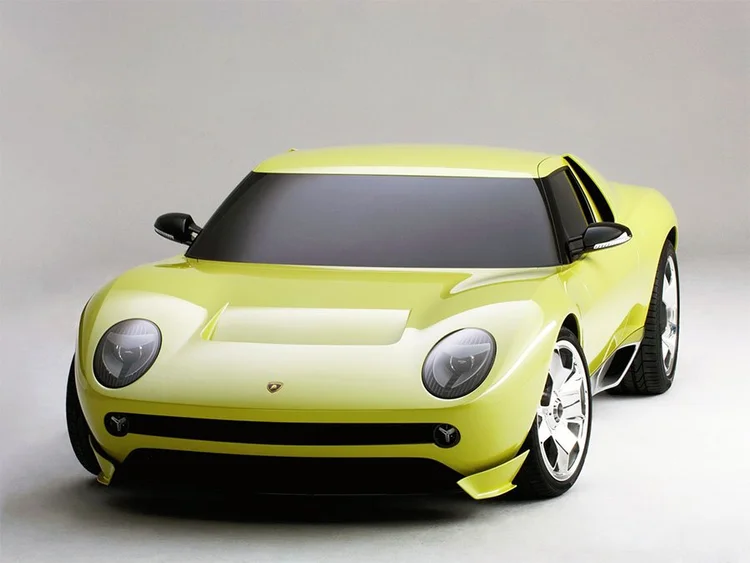
Comments