
Chevrolet Concept Cars: History of 197 Concepts, Show Cars & Prototypes (1953–2025)
.png/v1/fill/w_320,h_320/file.jpg)
From fiberglass Motorama experiments to rotary Corvettes, turbine trucks, fuel-cell laboratories and 2,000-hp electric hypercars, Chevrolet has spent seven decades testing ideas that a showroom could not always accommodate. Some were brilliant. Others made more sense with the curtains closed.
Concept cars are where manufacturers negotiate with the future. For Chevrolet, that negotiation has included show-stopping Corvette bodies, real race-developed chassis, ordinary compact cars with extraordinary accessories, and genuine experiments in hydrogen and electric propulsion. A static styling exercise and a functioning engineering test vehicle can both be concepts, but they are not the same thing.
This chronological reference covers 197 documented Chevrolet concepts, named show-car iterations, international designs, selected coachbuilt collaborations and manufacturer-sponsored specialty vehicles from 1953 through 2025. Research was checked against publicly accessible archives through October 12, 2026. Years refer to first construction or public debut as documented; where these differ, the descriptions explain why.
What counts: Chevrolet-branded styling studies, functional engineering prototypes, official Chevrolet-sponsored show vehicles and named production previews. Pininfarina/Bertone projects based on Chevrolet mechanicals are identified. Ordinary production trims, aftermarket builds without Chevrolet sponsorship, speculative fan renderings and other GM divisions are excluded.
What “complete” means: No public registry can prove the existence of every internal clay model, confidential engineering mule or unpublicized regional project. This is an extensively cross-referenced public-history inventory rather than an assertion that no undiscovered prototype exists. Speculative horsepower and performance claims have not been treated as measured results.
Jump to a decade
Chevrolet Concepts from the 1950s
Motorama made Chevrolet theatrical: fiberglass, unusual rooflines and the first serious signs of Corvette ambition.
1953 Chevrolet Corvette Motorama (EX-122)
The original Corvette arrived at GM Motorama in January 1953 as a fiberglass-bodied, two-seat sports-car prototype. Its 235-cubic-inch Blue Flame inline-six was tuned to about 150 horsepower and paired with a two-speed Powerglide automatic. Strong public response pushed the display car into limited production that same year, establishing a very durable nameplate.

1954 Chevrolet Corvette Corvair
Not the later rear-engine compact, this Corvair was a Corvette-based Motorama fastback. Chevrolet retained the sports car's front-engine, rear-drive mechanical layout while adding a sweeping fixed roof and distinctive rear glazing. Its principal job was to test whether a closed Corvette could sell; the idea preceded the production Corvette coupe by almost a decade.
1954 Chevrolet Corvette Nomad
Chevrolet grafted a two-door sports-wagon body onto Corvette-related architecture for the 1954 Motorama circuit. The low roof, wraparound glass and extended cargo compartment turned an open sports-car formula into an elegant utility experiment. It influenced the production 1955 Nomad, though that showroom wagon used full-size Chevrolet underpinnings rather than a Corvette chassis.
1954 Chevrolet Corvette Convertible Coupe
This Motorama study explored a Corvette with a refined removable roof and more enclosed, grand-touring presentation. Unlike the dramatic Nomad wagon or Corvair fastback, its engineering significance lay in testing a practical weatherproof body treatment for an existing two-seat platform. It was a show-car variation, not an independently developed production drivetrain.
1955 Chevrolet Biscayne (XP-37)
The Biscayne was a low, four-door Motorama dream car with a wraparound windshield, reverse-opening rear doors and an exceptionally thin-looking roof. Fiberglass bodywork sat over purpose-built show-car structure, with small-block Chevrolet V8 power. The name later reached a conventional production sedan, but the original concept was anything but conventional.
1956 Chevrolet Impala Motorama Show Car
Chevrolet used Corvette-derived styling cues and a four-passenger, low-slung body for the Impala dream car shown at Motorama. A fiberglass shell, extended windshield and elaborate interior made it a preview of Chevrolet's design ambitions, not the later production Impala's exact chassis. The production name arrived in 1958 on a substantially different vehicle.
1956 Chevrolet Corvette SR-2
The SR-2 was a racing-oriented Corvette special with extended nosework, revised aerodynamics and competition V8 development. Chevrolet built a small number of examples as experimental performance machines, blending showmanship with genuine track intentions. It belongs in a broad concept-and-prototype history, but should not be mistaken for a static Motorama design exercise.
1957 Chevrolet Corvette SS (XP-64)
Chevrolet's Corvette SS was an ambitious magnesium-bodied sports-racing prototype built around a lightweight tubular chassis. A fuel-injected 283-cubic-inch V8 powered the two-seat machine, which competed at Sebring in 1957. Heat, mechanical difficulties and rapidly changing racing policy ended the program early, leaving important lessons rather than a winning record.
1957 Chevrolet Q-Corvette (XP-84)
The Q-Corvette was a forward-looking Corvette engineering and design proposal, not a customer-ready car. Planning documents explored a more sophisticated chassis, independent rear suspension, transaxle packaging and futuristic body treatments. Several ideas resurfaced in later Corvette development, but photographs of mockups must not be read as proof of a completed, operational prototype.
1958 Chevrolet Corvette XP-700
Bill Mitchell's XP-700 recast the Corvette as a theatrical, sharply tailored show car, ultimately appearing with an elaborate transparent bubble roof. Its aggressive nose and rear details previewed some future styling directions; the familiar front-engine Corvette drivetrain remained the practical foundation. The enormous canopy was a design statement, not an everyday climate-control solution.
1959 Chevrolet Corvette Stingray Racer (XP-87)
Built as Bill Mitchell's private racing project with Chevrolet engineering involvement, the Stingray used a low fiberglass body over Corvette SS-derived chassis ideas. Its front-mounted small-block V8 and striking surfaces helped bridge the 1950s Corvette and the 1963 Sting Ray. The car was genuinely driven in competition, unlike many fiberglass dream-car contemporaries.
Chevrolet Concepts from the 1960s
The V8 moved around, the flat-six went somewhere unexpected, and Chevrolet learned there were multiple ways to build a fast car.
1960 Chevrolet CERV I
Zora Arkus-Duntov's Chevrolet Engineering Research Vehicle I was a mid-engine, single-seat laboratory for chassis, suspension and powertrain research. A lightweight space frame supported the Chevrolet V8 behind the driver, exposing engineering priorities absent from showroom Corvettes. CERV I was an experimental test bed, never a production Corvette proposal disguised as a race car.
1960 Chevrolet Corvair Coupé Speciale by Pininfarina
Pininfarina explored a sleeker European coupe body around Chevrolet's rear-engine Corvair architecture. The project kept the compact's air-cooled flat-six packaging as its essential engineering constraint while replacing Detroit sedan proportions with Italian coachbuilding themes. Although a collaborative design study rather than a normal factory Chevrolet program, its mechanical donor was unmistakably Corvair.
1961 Chevrolet Corvair Sebring Spyder
This Chevrolet show car turned the rear-engine Corvair into a lower, more performance-minded open machine with revised bodywork and racing-inspired details. Its appeal came from the compact platform's flat-six and rear-mounted powertrain, not from a transplanted V8. The Spyder name later appeared on production turbocharged Corvairs, whose bodies were materially different.
1961 Chevrolet Corvette Mako Shark I (XP-755)
Bill Mitchell's Mako Shark I took its colors and sculpted nose from the mako shark, providing a pointed preview of the Sting Ray styling language. The fiberglass concept used Corvette-related V8 mechanicals and an exaggerated long-hood profile. Constructed in 1961, it was widely exhibited in 1962; those two dates often generate duplicate entries.
1962 Chevrolet Corvair Monza GT (XP-777)
Larry Shinoda's Monza GT used a shortened Corvair-derived floorpan with the air-cooled flat-six relocated ahead of the rear axle. A vast lift-up canopy replaced ordinary doors, combining a low sports-car silhouette with genuine packaging experimentation. This was a mid-engine transformation of a famously rear-engine model, not merely new fiberglass over standard Corvair running gear.
1962 Chevrolet Corvair Monza SS
The Monza SS took the Monza GT's exotic proportions into an open, barchetta-style show car with a small windshield and sculpted rear deck. Chevrolet investigated compact sports-car packaging using Corvair-related air-cooled flat-six components. Its show-car purpose was primarily visual; the SS was not a production package or an official successor to the Corvette.
1962 Chevrolet Corvair Super Spyder
This shortened Corvair show car emphasized an intimate cockpit, two-seat proportions and a more sporting stance than the production compact. Retaining the Corvair's rear-mounted flat-six lineage, it anticipated interest in affordable American sports cars outside the Corvette price bracket. Unlike the separate Monza GT, its package was fundamentally rear-engined.
1962 Chevrolet Corvette C2 Prototype (XP-720)
XP-720 was a crucial development predecessor to the second-generation Corvette Sting Ray, translating show-car surfaces into a producible steel-chassis sports car. Engineering choices included independent rear suspension and refined front-engine packaging. It is included as a documented development prototype, not misrepresented as a separate Motorama concept with an invented horsepower rating.
1963 Chevrolet Wedge Corvette
This low Corvette design exercise investigated a much sharper front-end profile and wedge-like proportions than the production Sting Ray. It belongs to Chevrolet's exploratory styling work, where full-sized mockups and experimental bodies could influence later generations without receiving an independent drivetrain program. Published technical specifications are too thin to support reliable acceleration claims.
1963 Chevrolet Corvair Testudo by Bertone
Giorgetto Giugiaro, working at Bertone, transformed a Corvair Monza donor into a radical forward-hinged-canopy coupe. The rear-mounted air-cooled flat-six remained, while the short overhangs, smooth body and lift-up glazed cockpit gave the car a very different character. This was coachbuilt with a Chevrolet basis, not a GM-designed American production preview.
1963 Chevrolet Corvette Rondine by Pininfarina
Designed by Tom Tjaarda and built by Pininfarina, the Rondine clothed a Corvette chassis in restrained Italian coupe bodywork with a distinctive recessed rear window. Its essential V8 and front-engine, rear-drive layout remained Chevrolet. The one-off demonstrates how far foreign coachbuilders could visually separate a Corvette from its familiar fiberglass factory body.
1964 Chevrolet Chevy II Super Nova
The Super Nova show car reimagined the compact Chevy II as a sleek sporty coupe, complete with heavily revised sheet-metal themes and a more assertive nose. The study anticipated elements of Chevrolet's later compact-car styling, but it was not the mechanical prototype for every production Nova. The show-car body was the principal experiment.
1964 Chevrolet Corvette XP-819 Rear-Engine
XP-819 deliberately put a large Chevrolet V8 behind the rear axle, testing a rear-engine Corvette arrangement far less forgiving than Chevrolet's familiar front-engine balance. A wide fiberglass body contained the radically rearranged drivetrain, but the prototype's handling difficulties helped demonstrate why this particular approach would not define production Corvette engineering.
1964 Chevrolet CERV II
Duntov's second Chevrolet Engineering Research Vehicle pursued a mid-engine, all-wheel-drive competition architecture with a tubular frame and Chevrolet V8 power. Torque distribution, cooling and high-speed traction were serious research subjects rather than decorative concept features. It remained experimental, illustrating how Corvette engineers could explore radical drivetrains outside management's production restrictions.
1965 Chevrolet Corvette Mako Shark II (XP-830)
The second Mako Shark was a more extreme fastback Corvette study, developed in both display and functional forms with big-block V8 associations. Its dramatic Coke-bottle body foreshadowed the 1968 Corvette's long nose and muscular fenders. Later updates produced the Manta Ray; those names document different styling presentations of related underlying hardware.
1965 Chevrolet Turbo Titan III
This futuristic Chevrolet heavy-truck concept tested the packaging possibilities of a gas-turbine powerplant, with an unusual low cab and aircraft-inspired controls. GM's GT-series turbine program promised smooth continuous output but faced efficiency and heat-management challenges. The Titan III was a Chevrolet-badged tractor concept; GM's similarly futuristic Bison truck was a separate GM project.
1967 Chevrolet Astro I
The Astro I stretched the boundaries of Corvette-style design with an extraordinarily low nose, canopy-like upper body and unconventional access to the cockpit. Engineers used a rear-mounted Corvair-derived air-cooled flat-six rather than a front Corvette V8. It was an aerodynamic and packaging study whose height made normal entry a science project of its own.
1968 Chevrolet Astro II (XP-880)
Astro II was a considerably more serious mid-engine Corvette proposal, with a 427-cubic-inch Chevrolet V8 mounted behind the passenger compartment. The low two-seat body and revised chassis made a credible case for a radically different Corvette layout. Management kept the production car front-engined; Astro II nevertheless showed the mid-engine argument was technically mature.
1968 Chevrolet AstroVette
Designed for a high-speed record program at Bonneville, the AstroVette put dramatic aerodynamic bodywork over Corvette mechanical foundations. Its long, tapered nose and enclosed wheel treatments prioritized low drag and straight-line stability over normal road usability. This was a land-speed experimental vehicle, not an unreleased street-legal coupe with a reliable showroom specification sheet.
1969 Chevrolet Astro III
Astro III was a three-wheeled, narrow-track design study with aircraft-style cues and an enclosed, two-person canopy. Its futuristic cabin and unconventional wheel arrangement considered how minimal cross-section might improve aerodynamic efficiency. Demonstration concepts from this period often proposed propulsion layouts beyond practical manufacturing; no verified road-test performance should be attributed to this show model.
1969 Chevrolet Corvette Manta Ray
Chevrolet revised the earlier Mako Shark II bodywork into the Manta Ray, adding altered front and rear details and displaying evolving ideas for the third-generation Corvette. This was a named evolution of an existing concept, not proof that GM built an entirely unrelated mid-engine prototype. Its significance is in its design iteration and exhibition history.
1969 Chevrolet Corvette XP-882
XP-882 explored a mid-mounted Chevrolet V8 with a more production-plausible transaxle arrangement than some earlier Corvette experiments. Developed in 1969 and publicly displayed in 1970, the two-seater later became part of GM's rotary-engine experimentation. Its changing mechanical specifications explain why different historical accounts describe apparently different cars under related XP numbers.
1969 Chevrolet Corvette Aero Coupe Show Car
Bill Mitchell modified a 1968 Corvette into the Aero Coupe, fitting a taller windshield, detachable roof, enlarged side exhausts and special aerodynamic add-ons. Accounts describe ZL1 aluminum V8 power during its show-car evolution. The same physical car was subsequently reworked into the Scirocco and then Mulsanne, so the names represent successive bodies rather than three independent chassis.
Chevrolet Concepts from the 1970s
Rotary engines, lightweight structures and mid-engine Corvette proposals defined a decade of very expensive what-ifs.
1970 Chevrolet Corvette Scirocco Show Car
The Scirocco was a Corvette show-car treatment incorporating fresh nose, tail and exterior themes onto contemporary Corvette architecture. Rather than pursuing the full mid-engine package of XP-882, it was an exercise in stretching established sports-car proportions. Its place in the chronology is styling experimentation, not a new independent powertrain or a direct production model.
1970 Chevrolet Camaro Kammback Study
Chevrolet investigated a Camaro-based shooting-brake body with a wagon-like rear roof and more usable cargo opening. The fastback-to-Kammback change tested the boundary between performance coupe and practical utility car. The surviving record principally concerns design studies rather than a documented production-ready drivetrain; references to a completed running vehicle should be treated cautiously.
1973 Chevrolet Corvette Four-Rotor
GM repurposed the XP-882 mid-engine Corvette project around an experimental four-rotor Wankel powertrain, beneath dramatic gullwing-access bodywork. Rotary engines offered compact packaging but posed fuel-efficiency and emissions problems that helped end the program. It ultimately contributed to the Aerovette story; engine concepts and operating show-car states changed during development.
1973 Chevrolet Corvette Two-Rotor (XP-897GT)
Pininfarina built a compact mid-engine Corvette proposal around GM's smaller rotary-engine research program. The sharp-edged body and tight wheelbase emphasized what a lightweight Wankel installation might make possible. The two-rotor plan did not become a showroom engine, and the concept's mechanical history is more complicated than the appearance of its badges suggests.
1973 Chevrolet Corvette XP-895 Reynolds Aluminum
The XP-895 Reynolds project tested extensive aluminum body construction around a Corvette-style sports-car package. With Reynolds Metals involved, the experiment focused on weight and manufacturing possibilities at a time when steel and fiberglass dominated American production. It should be understood as a materials demonstrator, not an independently developed powertrain or an actual light-metal production Corvette.
1973 Chevrolet Corvette XP-898
XP-898 explored a lightweight sandwich-body concept using fiberglass skins and a foam-like core, together with small-car mechanical thinking. The research questioned whether an affordable two-seat sports car could achieve useful structural stiffness without conventional heavy construction. It remained an engineering exercise; published material does not justify assigning it exotic horsepower or a confirmed production plan.
1974 Chevrolet Mulsanne Show Car
The Corvette-based Mulsanne explored aerodynamic bodywork and a more streamlined racing image, borrowing its name from Le Mans' famously fast straight. It was a show-car styling treatment rather than a confirmed new competition homologation project. Distinguishing original concept bodies from later restorations and replicas is essential when interpreting photographs of this obscure Chevrolet study.
1976 Chevrolet Aerovette
The Aerovette reworked the former four-rotor Corvette experiment into a mid-engine V8 sports-car concept. Its low wedge body, gullwing doors and compact transaxle package made it a credible alternate path for the Corvette. GM considered mid-engine production but ultimately retained the traditional layout for the next generation; the original engineering research was not wasted.
Chevrolet Concepts from the 1980s
Aerodynamics, alternative drivetrains and display-car excess reshaped Chevrolet’s future fantasies.
1984 Chevrolet Citation IV
The Citation IV concept applied an ambitious low-drag fastback body to Chevrolet's compact-car planning, with flush glazing and careful airflow management. Unlike the ordinary production Citation, this vehicle prioritized aerodynamic economy and unconventional styling. Its distinction is not a headline horsepower figure but a systematic attempt to make airflow shape mainstream-car design.
1984 Chevrolet Corvette Ramarro by Bertone
Bertone's Ramarro recast a contemporary Corvette C4 with dramatically revised proportions, side-sliding doors and a distinctive rear treatment. The donor's front V8 and mechanical architecture survived beneath Italian coachwork. Although not designed by GM's internal studio, the running Corvette-based show car is important as an independent interpretation of Chevrolet's performance image.
1984 Chevrolet Camaro GTZ Concept
The Camaro GTZ was a factory-associated custom show proposal that highlighted a more aggressive interpretation of Chevrolet's third-generation pony car. Details centered on exterior sport styling and specialty-vehicle development rather than a newly engineered production chassis. Archival SEMA lists document the name, although published specifications are too sparse to defend a precise power rating.
1986 Chevrolet Corvette Indy
The Corvette Indy concept proposed an exotic mid-engine, all-wheel-drive future with a twin-turbo, multi-valve Chevrolet V8 engineering vision. Its sculpted composite body carried active-systems ambitions far beyond the production C4. Some published performance estimates describe intended technology rather than certified testing, so the concept's design targets should not be confused with production specifications.
1986 Chevrolet Celebrity Eurosport RS Concept
Chevrolet's Eurosport RS treatment turned the modest Celebrity family sedan into an unexpectedly assertive sports-sedan exercise with specific exterior, wheel and suspension themes. The vehicle belonged to the company's mid-1980s performance-brand experiments rather than a clean-sheet concept platform. Its influence is best measured in later Eurosport positioning, not an undocumented race-engine claim.
1987 Chevrolet Aero 2003A
The Aero 2003A explored smooth, efficient vehicle surfaces as Chevrolet anticipated stricter economy expectations and new aero-led styling. The study reduced visible protrusions and put a premium on cleaner airflow around the passenger compartment. Because this was an advanced design proposal, engine and road-performance specifications are not reliably comparable with fully engineered production sedans.
1987 Chevrolet Blazer XT-1
The Blazer XT-1 show vehicle imagined an urbanized Chevrolet sport-utility future, with broad glass areas, futuristic controls and unusual multipurpose packaging. Its key argument was that an SUV could evolve beyond a shortened truck body into a more integrated family vehicle. The concept had show-car features that were not yet practical or economical for series manufacture.
1987 Chevrolet Express
The Chevrolet Express was an extraordinarily low, turbine-inspired two-seat concept with aircraft-like cockpit styling and an emphasis on aerodynamic efficiency. GM described dramatic performance aspirations, but those estimates were not independently verified production-car achievements. The sleek enclosed body contrasted sharply with the conventional Chevrolets on sale, making it a pure exploration of a possible future.
1988 Chevrolet Venture Sedan Concept
Before Venture became Chevrolet's minivan name, the company applied it to a futuristic aerodynamic sedan study. The 1988 concept pursued clean surfaces, a streamlined cabin and unusually integrated packaging, rather than the conventional upright styling of its era. Its name later migrated to an unrelated production people carrier, a frequent source of cataloging confusion.
1989 Chevrolet California IROC Camaro
This radical Camaro study used aggressive wide-body proportions and dramatic upward-opening doors to reframe Chevrolet's third-generation pony car for a design-show audience. It retained a recognizable Camaro mechanical identity beneath its exaggerated surfaces. The concept influenced discussions about future styling without directly specifying the platform ultimately used by the fourth-generation Camaro.
1989 Chevrolet XT-2 Pickup
The XT-2 was a compact, track-oriented Chevrolet pickup concept and PPG pace vehicle with a highly revised body and performance-oriented V6 installation. The low roof and aerodynamic bed treatment made it almost a sports car wearing a pickup silhouette. Its purpose was demonstration and track entertainment, not evaluation of a mass-market work-truck configuration.
Chevrolet Concepts from the 1990s
The specialty-vehicle department took over the stage, while ambitious prototypes still emerged between the graphics and lowered suspensions.
1990 Chevrolet CERV III
CERV III combined mid-engine architecture, all-wheel drive and a twin-turbocharged LT5-derived V8 with sophisticated electronics and composite construction. The dramatic scissor-door coupe functioned as an advanced Chevrolet engineering demonstrator, drawing on earlier Corvette Indy research. Its quoted speed and output capabilities are design-era claims, not homologated production-car performance data.
1990 Chevrolet Corvette Nivola by Bertone
Bertone's Nivola was another Italian attempt to reinterpret Corvette engineering, this time using a highly modified C4 package in a compact, radically reshaped sports-car body. Its importance lies in treating Corvette parts as raw materials for a different silhouette and interior. The project remained coachbuilt, not an official Chevrolet future-model announcement.
1991 Chevrolet Camaro LT5 Concept
Chevrolet's specialty vehicles group installed the Corvette ZR-1's 375-horsepower, four-cam LT5 V8 and ZF six-speed manual into a third-generation Camaro development body. The 1991 SEMA experiment used 1LE-derived suspension pieces and conspicuous graphics, proving that the engine physically fit. Production Camaro buyers never received an LT5 factory option.
1992 Chevrolet Concept Monte Carlo
This aerodynamic coupe concept revived the Monte Carlo idea with a sleeker, performance-minded profile at a time when Chevrolet was reconsidering its two-door family cars. Its design previewed cues eventually associated with later production coupes, but the concept was not a mechanical duplicate of the 1995 Monte Carlo. Distinguish intended packaging from showroom specifications.
1992 Chevrolet Corvette Sting Ray III
The Sting Ray III was a low, sophisticated front-engine sports-car proposal with pronounced fenders, a short cabin and performance-car proportions. It investigated how the next Corvette might look without abandoning the familiar V8/rear-drive formula. Chevy chose another course for the C5, leaving this attractive study as an alternative design branch.
1992 Chevrolet Lumina Sizigi
Chevrolet's Sizigi examined a different direction for the Lumina APV minivan, using futuristic glazing, unusual door themes and an aerodynamic single-volume body. Its project name was much stranger than its basic people-moving purpose. The study addressed packaging and visibility rather than high-performance powertrains, and never became a production Lumina trim or standalone model.
1992 Chevrolet Impala SS Concept
Jon Moss's team transformed a Caprice-based police-package sedan into a low, muscular Impala SS proposal, initially experimenting with a massive V8 before production-oriented LT1 planning. Public enthusiasm at the 1992 SEMA Show helped secure the 1994 Impala SS. Unlike many concept cars, the final production sedan stayed remarkably close to its original styling.
1993 Chevrolet Highlander S-10 Concept
The Highlander transformed Chevrolet's S-10 into a recreational pickup showpiece, using lifted off-road stance, distinctive body details and lifestyle equipment to make a compact truck feel adventurous. Historical accounts disagree about some engine specifications, so precise displacement claims are best avoided. The design foreshadowed later efforts to sell capability and image together.
1994 Chevrolet Blazer ZR2 Show Truck
Chevrolet's Blazer ZR2 SEMA-era concept emphasized increased off-road capability through suspension clearance, wheel-and-tire selection and protective exterior hardware. It was an accessorized variation of existing compact-SUV engineering, rather than a clean-sheet vehicle. The show treatment explored how a tougher factory-supported Blazer might sit above ordinary road-focused trim levels.
1994 Chevrolet Cavalier Touring Sedan
The Cavalier Touring Sedan translated the compact sedan into an upscale, sport-oriented SEMA exercise with more sophisticated visual details and equipment themes. Engineering remained rooted in Chevrolet's economical front-drive platform. Its purpose was to gauge interest in factory-led customization, not to unveil a replacement architecture or a substantiated high-output race engine.
1994 Chevrolet Monte Carlo Sport Concept
The Monte Carlo Sport appeared among Chevrolet's 1990s performance-customization exercises, giving the front-drive coupe more aggressive exterior and chassis themes. It made the case for a sportier showroom identity without changing the car's basic packaging. Its concept status concerns an official show-car treatment, not an entirely new Monte Carlo platform.
1994 Chevrolet Lumina Super Sport Concept
This show-car version of the Lumina explored how a mainstream Chevrolet sedan might be repackaged as a more visual performance product. Revised wheels, trim and sport styling rather than an unproven exotic powertrain defined the exercise. It belongs in the official customization-concept category, distinct from core engineering programs such as the CERV prototypes.
1994 Chevrolet Ram Van Concept
Chevrolet's specialty vehicle operation showed a modified Ram Van to explore a bolder performance and utility image for its commercial-van platform. The concept belonged to an official 1994 SEMA group of Chevrolet specialty builds, not the unrelated Dodge Ram truck family. Published technical records are too limited for defensible engine-output or acceleration figures.
1994 Chevrolet S-Series Wings Concept
The S-Series Wings study took the compact Chevrolet truck platform into a highly individualized factory show-car direction. Exterior styling and accessory experiments, rather than fundamental changes to its ladder-frame pickup engineering, defined the exhibit. It is included because contemporary SEMA archives identify the named Chevrolet concept, even though a full factory specification sheet remains elusive.
1995 Chevrolet Tahoe SS Concept
The Tahoe SS concept explored the then-novel idea of a performance-oriented full-size SUV, combining sportier appearance details with the familiar Chevrolet truck chassis. It came from the factory's show-car culture, not an independently verified series-production package. Chevrolet later revisited the same premise repeatedly with concept SUVs and high-output truck engines.
1995 Chevrolet Cavalier Spyder Concept
The Cavalier Spyder show car proposed an open-air version of Chevrolet's compact, front-drive coupe with sportier styling and a fresh cabin presentation. Removing a roof would have carried real structural implications for production, but the display was primarily a packaging and design proposal. It never became a regular Chevrolet convertible model.
1995 Chevrolet Monte Carlo SS Concept
This Chevrolet SEMA-era show car emphasized sporty materials, body details and the SS performance identity for the front-drive Monte Carlo. The underlying platform remained mainstream midsize coupe architecture. Its significance is the way Chevrolet tested a muscular visual language on cars that were not using traditional rear-drive muscle-car running gear.
1995 Chevrolet Monte Car-Low Concept
The Monte Car-Low took a contemporary Monte Carlo toward a low-riding custom look, using lowered proportions and an overtly stylized exterior package. It reflected Chevrolet's willingness to court custom-car tastes with factory-built displays. This official specialty show car is not evidence of a hidden rear-drive Monte Carlo or a planned production lowrider.
1995 Chevrolet S-10 Elongate Concept
The S-10 Elongate stretched Chevrolet's compact pickup formula for a more unusual utility and lifestyle presentation, using dramatically revised proportions instead of an all-new truck platform. The vehicle demonstrated packaging and customized body possibilities around existing S-10 hardware. It was not a regular long-wheelbase option with independently published production specifications.
1995 Chevrolet S-10 Hugger Concept
The S-10 Hugger adopted a lowered, street-oriented stance with more assertive exterior elements, offering a counterpoint to the lifted off-road pickup show cars. Its core compact-truck architecture remained recognizable. The concept explored the popularity of sport trucks during the 1990s and was an official visual exercise rather than an announced new model.
1997 Chevrolet S-10 ZL2 Plus 4 Concept
The S-10 ZL2 Plus 4 combined a compact pickup's familiar cab with an aggressive off-road-oriented stance and unusual rear axle/wheel treatment. Chevrolet used the concept to expand the imaginary range between street trucks and specialist trail machines. Details differed from production ZR2 models, and it should not be treated as a factory retail specification.
1998 Chevrolet Monte Carlo Intimidator Concept
Named for Dale Earnhardt's racing persona, the Monte Carlo Intimidator sharpened the front-drive coupe's NASCAR associations with dramatic exterior styling and performance imagery. It was a factory show-car treatment designed for enthusiast attention, not the same thing as a homologated Cup Series race vehicle. Its appearance belonged squarely to Chevrolet's motorsport-marketing era.
1999 Chevrolet Nomad Concept
Chevrolet revived the Nomad name for a compact shooting-brake concept, trading the 1954 Corvette dream wagon's proportions for a modern, lower-cost sports-utility coupe idea. Its practical rear load area remained central to the design. The concept should not be confused with either the original Motorama Nomad or Chevrolet's separate 2004 Nomad revival.
1999 Chevrolet Tandem 2000
The Tandem 2000 pursued an exceptionally narrow two-seat vehicle with occupants sitting one behind the other beneath a clear, streamlined canopy. Its compact mechanical package and low frontal area proposed an alternative to conventional city cars. The odd layout emphasized packaging efficiency and novelty rather than a showroom-ready safety and ingress solution.
1999 Chevrolet Triax
The Triax was a compact utility study aimed at buyers navigating increasingly crowded cities, with alternative-propulsion thinking and a flexible cabin. Contemporary descriptions emphasized the ability to consider multiple energy sources rather than one fixed, market-ready drivetrain. It anticipated crossovers' blending of urban packaging and outdoor imagery without establishing a direct production derivative.
1999 Chevrolet YGM-1 (GM–Suzuki Study)
Developed in a GM–Suzuki context for small-car markets, YGM-1 previewed a compact, practical hatchback potentially sold with Chevrolet identification. Contemporary reporting describes roughly 3.6-meter overall length and five-seat intentions. It is a borderline entry because the collaboration and eventual brand identity are part of the story, not a conventional GM North American show-car launch.
Chevrolet Concepts from the 2000s
Global city cars, truck-based lifestyle experiments and Chevrolet’s Camaro comeback shared the same corporate spotlight.
2000 Chevrolet Avalanche Concept
The Avalanche concept combined a full-size pickup's cab with a short cargo bed and a folding midgate partition, allowing longer objects to extend into the passenger compartment. Its truck-based body and reconfigurable interior were the real innovations. Chevrolet soon turned the idea into a production vehicle, one of its more direct show-to-showroom transitions.
2000 Chevrolet SSR Concept
Chevrolet combined retro 1940s pickup styling, a retractable hardtop and roadster-like seating into the Super Sport Roadster concept. It blended truck proportions with an open-air passenger car and a V8-oriented performance brief. The production SSR preserved much of the concept's personality, although the concept's styling excitement proved easier to deliver than sales volume.
2000 Chevrolet Traverse Concept
Years before the production Traverse crossover, Chevrolet displayed a family-oriented SUV study with modernized exterior surfaces and passenger-focused packaging. The concept tested demand for something more carlike and versatile than a traditional body-on-frame sport-utility. Its connection to the later three-row Traverse was thematic; the eventual retail vehicle used a different generation of architecture.
2000 Chevrolet Celta Spider
GM Brazil created an open-top Celta-based design experiment that transformed an inexpensive city hatchback into a playful miniature roadster. The show vehicle focused on visual potential and cabin openness instead of demonstrating a new engine or homologated convertible body. Its notoriety comes from making a deliberately inexpensive Chevrolet seem unexpectedly extroverted.
2001 Chevrolet Borrego
The Borrego was a small lifestyle pickup concept with a short cargo bed and passenger-oriented cabin, bridging the boundary between compact car and truck. Its light-duty off-road styling addressed younger buyers more interested in recreation than commercial hauling. The concept was not a preview of a heavy-duty replacement for the Silverado or Colorado.
2001 Chevrolet Sabiá Concept
Developed in Brazil, the Sabiá combined a carlike cabin with pickup utility in a compact urban package. Reports describe a proposed supercharged engine specification, but that does not establish a running, dyno-tested powertrain in the show vehicle. Its primary achievement was a new body concept aimed at Latin American buyers' unusual mix of passenger and cargo needs.
2001 Chevrolet K5 Blazer Concept
Chevrolet revived the old K5 designation for a rugged two-door SUV show car, complete with removable-roof nostalgia and heavy-duty truck-inspired proportions. Its large-displacement V8 performance ambitions made it far removed from a commuter crossover. The study celebrated an earlier off-road identity, rather than directly forecasting the Chevrolet Blazer crossover that ultimately arrived much later.
2001 Chevrolet S-10 Fuel-Cell Prototype
Chevrolet investigated vehicle-integrated hydrogen technology using compact-truck packaging as an engineering test bed. Such projects addressed storage, reforming or fuel-cell system management, rather than ordinary retail driving characteristics. The technical configuration varied across GM's alternative-fuel demonstrations; this entry is a research-prototype category, not a claim of a production-ready hydrogen S-10.
2002 Chevrolet Bel Air Concept
The Bel Air concept brought 1950s Chevrolet design motifs into a full-size modern convertible with a strong horizontal grille, tall sides and open four-passenger cockpit. It explored retro appeal with contemporary mechanical packaging instead of reconstructing a period chassis. The concept was a styling and image exercise that stopped short of becoming a production convertible.
2002 Chevrolet Journey Concept
Chevrolet's Journey proposed a crossover-style family vehicle with flexible interior space and a modern SUV profile, as brands were moving from body-on-frame utility vehicles toward car-influenced packaging. Its purpose was to explore buyers' lifestyle expectations, not demonstrate a homologated high-performance engine. The name and concept should not be confused with Dodge's later production Journey.
2003 Chevrolet Cheyenne
The Cheyenne was a full-size pickup concept with innovative bed access and a performance-oriented, cleanly integrated exterior. Reports described a supercharged six-liter V8 in the roughly 500-horsepower range, underscoring that this was no bare-bones work truck. Its independent-rear-suspension and convenience proposals tested the limits of what upscale pickups could reasonably offer.
2003 Chevrolet SS Concept
The Chevrolet SS proposed an assertive rear-wheel-drive sports sedan, using a six-liter V8 with about 430 horsepower in its show specification. Four doors, a low beltline and muscular fenders placed family-car practicality beside Corvette-like performance branding. It was an exploration of the SS identity before Chevrolet sold the later Holden-derived production SS sedan.
2003 Chevrolet Equinox Concept
The Equinox concept previewed Chevrolet's move into a smaller, more passenger-car-oriented crossover beneath traditional truck SUVs. Its unibody-influenced stance, broad greenhouse and practical rear compartment anticipated the showroom model, though final engineering details evolved. Unlike larger TrailBlazer models, the idea prioritized manageable size and family utility over towing-first design.
2003 Chevrolet Equinox Xtreme
The Equinox Xtreme was an official performance-accessory study based on Chevrolet's emerging compact crossover. GM discussed a turbocharged 3.5-liter V6 powerplant and aggressive chassis details in the concept specification, giving it considerably more urgency than a family-hauling brief demanded. It was meant to evaluate personalization and sport tuning, not announce a production engine option.
2003 Chevrolet Colorado Xtreme
Chevrolet fitted the upcoming midsize Colorado with an assertive street-truck concept package, emphasizing lowered ride height, styling enhancements and larger wheels. The Colorado's ladder-frame pickup roots remained beneath the appearance work. GM used the Xtreme family to test the market for factory-integrated custom parts, not to signal a separate new pickup architecture.
2003 Chevrolet Malibu Xtreme
The Malibu Xtreme reinterpreted Chevrolet's new midsize sedan with a tougher performance look, low-profile wheel-and-tire treatment and accessorized exterior. This SEMA-era concept was primarily a custom-parts development vehicle, unlike the separate rear-drive SS show sedan. It demonstrated how manufacturers were packaging aftermarket tastes into official design-studio exercises.
2003 Chevrolet Aveo Xtreme
GM applied its Xtreme program to the tiny Aveo hatchback, giving an economy-first city car a tuner-inspired body kit, modified stance and more assertive trim. The study centered on customization rather than a clean-sheet chassis or verified high-output drivetrain. That contrast was the point: an inexpensive Chevrolet could be personalized without becoming a sports car.
2004 Chevrolet Nomad Concept
This third notable use of the Nomad name proposed a compact, low-roof sports wagon with rear cargo access and a modern rear-drive-flavored appearance. It echoed the 1954 Motorama idea without copying that Corvette-based show car. Chevrolet investigated whether a stylish two-door wagon could fit contemporary buying habits, but no comparable production Nomad followed.
2004 Chevrolet M3X
The M3X was an international small-car concept previewing a taller, more useful hatchback format for crowded urban markets. Chevrolet's South Korean operation supplied the compact-vehicle engineering context, helping the brand develop vehicles that could sell across regions. The concept's flexible interior and city-friendly dimensions mattered more than a speculative maximum speed.
2004 Chevrolet S3X
The S3X was a compact crossover preview from GM Daewoo's global engineering operation, combining the raised ride height of an SUV with a modern family-cabin brief. Its unibody-style packaging foreshadowed the Chevrolet Captiva family. The S3X name disappeared, but the underlying crossover-market strategy became very real.
2005 Chevrolet T2X
The T2X combined crossover utility with a sharply raked coupe-style roof, an early exploration of what would later become a popular SUV-body subgenre. Developed in GM's Korean design environment, it emphasized dynamic proportions over maximum load space. The proposal was a design exercise, not a production-ready performance variant of the S3X.
2006 Chevrolet Camaro Concept
The modern Camaro returned as an acclaimed Detroit show car, reinterpreting the 1969 model with a long hood and broad haunches. Its show specification used a six-liter LS2 V8 with about 400 horsepower and rear-wheel drive. The production fifth-generation Camaro followed for 2010, changing the concept's proposed package into a commercially viable muscle car.
2006 Chevrolet Prisma Y
GM Brazil reworked its just-launched Prisma sedan into a crossover-flavored show car with increased ride height, larger cargo space, rugged trim and a panoramic roof. A 1.4-liter EconoFlex engine and five-speed manual transmission were reported for the study. The Y stood for youth, not an all-new off-road mechanical platform.
2006 Chevrolet Sequel Fuel-Cell SUV
The Chevrolet-badged Sequel made GM's hydrogen fuel-cell and electric-drive experiments more tangible in an SUV-like body, with battery buffering and drive-by-wire technologies. It followed the earlier GM-branded Sequel reveal, so the first concept's date and the Chevrolet display date differ. The prototype addressed range and vehicle packaging, not immediate retail availability.
2006 Chevrolet WTCC Ultra
WTCC Ultra was a muscular hatchback-style motorsport design study built around touring-car aesthetics and a turbocharged 1.9-liter diesel engine in the concept brief. Its exaggerated track, large wheels and bold grille linked Chevrolet's global passenger cars to World Touring Car Championship imagery. It was a racing-inspired show car, not an actual homologated series racer.
2006 Chevrolet Silverado 427 Concept
Chevrolet installed the Corvette Z06's 7.0-liter LS7 small-block V8 in a lowered regular-cab, short-box Silverado, backed by a six-speed manual gearbox. Six-piston brakes and revised springs made it a full street-truck proposal, not a cosmetic big-block fantasy. Official GM information dates the concept to the 2006 SEMA Show, not 2007.
2006 Chevrolet Silverado Dale Earnhardt Jr. Off-Road Concept
Working with NASCAR driver Dale Earnhardt Jr., Chevrolet configured a new full-size Silverado for recreation-oriented off-road use. The special suspension, stance and accessories emphasized the driver's practical truck tastes as much as his racing reputation. This manufacturer-backed 2006 SEMA vehicle was separate from the lowered Silverado 427 and Orange County Choppers hauler concepts.
2006 Chevrolet Silverado Orange County Choppers Hauler
Chevrolet developed a lowered Silverado-based concept hauler with Orange County Choppers, translating custom-motorcycle styling into a full-size pickup work-and-show vehicle. The display focused on appearance, cargo utility and accessories for transporting motorcycles rather than a new truck chassis. It was one of three distinct Chevrolet Silverado studies at SEMA 2006.
2007 Chevrolet Camaro Convertible Concept
Chevrolet removed the fixed roof from its celebrated retro Camaro concept while preserving recognizable side surfaces and a four-passenger layout. The study demonstrated that the proposed revival could support a future convertible, albeit with structural reinforcement required for production. The resulting Camaro Convertible eventually reached dealers, but this specific concept retained its own show-car identity.
2007 Chevrolet Beat
The Beat was a small five-door hatchback study created for a younger global audience, with compact proportions, emphatic lamps and surprisingly sporty surfacing. Chevrolet displayed it alongside two alternative mini-car directions, Groove and Trax, and asked the public to weigh in. The Beat ultimately became the production Chevrolet Spark in many markets.
2007 Chevrolet Groove
The Groove was Chevrolet's intentionally boxy, retro-flavored alternative in its 2007 global mini-car concept trio. Upright proportions improved the sense of space inside a modest footprint, while exaggerated details separated it from the sportier Beat. Unlike the winning Beat design, this particular show-car body did not directly enter Chevrolet's mainstream production lineup.
2007 Chevrolet Trax Mini Concept
The original Trax concept was a chunky little urban-crossover proposal from Chevrolet's 2007 mini-car trio, not the later production Trax SUV in finished form. It used short overhangs and SUV cues on city-car dimensions, pursuing perceived versatility without truck construction. Its global branding foreshadowed Chevrolet's increasing interest in small crossovers.
2007 Chevrolet Volt Concept
Chevrolet introduced the Volt as an electric-drive vehicle with a gasoline engine envisioned principally as an onboard electricity generator. The concept's range-extender proposal differed from the final production Volt's combustion hardware and operating strategies. The genuinely significant idea was making electric propulsion primary while providing a practical route beyond limited battery-only driving range.
2008 Chevrolet GPiX Concept
Developed for Brazil, the GPiX previewed an urban crossover with aggressive sport-utility detailing, a rising beltline and raised driving position. Its design brief addressed the growing appeal of compact crossovers in South American markets. Later Chevrolet vehicles echoed aspects of that strategy, although the GPiX itself was not sold as a retail model.
2008 Chevrolet Orlando Concept
The Orlando blended seven-seat family-carrying aspirations with a more squared-off, crossover-like exterior than a conventional minivan. The concept used a long roof and carefully packaged cabin to make passenger access central to its purpose. Chevrolet subsequently developed a production Orlando, but show-car styling and market specifications evolved substantially across regions.
2008 Chevrolet Camaro LS7 Concept
Chevrolet installed its seven-liter LS7 crate V8 into the reborn Camaro concept package, creating a modern counterpart to historic COPO-style specials. GM publicized output above 500 horsepower, backed by manual-transmission and brake upgrades. This official SEMA build was a performance-parts demonstrator, not an announcement that every production Camaro would receive an LS7.
2008 Chevrolet Camaro Dale Earnhardt Jr. Concept
This SEMA Camaro reflected input from Dale Earnhardt Jr., mixing a dark exterior treatment with track-flavored accessories and flex-fuel ideas. The V8-based build was configured with E85 compatibility rather than an unprecedented all-new engine block. Chevrolet used the vehicle to connect NASCAR celebrity, personalization and its revived pony-car product in one show stand.
2008 Chevrolet Camaro Black Concept
The Black Camaro concept emphasized a deliberately sinister appearance through dark trim, modified lighting and aggressive wheels. Chevrolet built it around the standard V6 powertrain family rather than an exotic race V8, reinforcing the potential for stylish affordable versions. Its role was previewing possible dealer accessories and finish treatments as the fifth-generation Camaro launched.
2008 Chevrolet Camaro GS Racecar Concept
The Camaro GS Racecar concept paid homage to early Camaro road-racing history through a low stance, competition livery and track-focused interior ideas. Its design referenced the era of Trans-Am racing without being a period restoration or an already homologated championship entrant. The show car helped establish the new Camaro's credibility beyond drag-strip nostalgia.
2009 Chevrolet Corvette Stingray Concept
Chevrolet designed an aggressively futuristic Corvette concept for the Transformers film franchise, with a split-window-inspired roof treatment and an extremely low, sculpted body. The vehicle drew on historical Stingray show cars while avoiding the proportions of an actual production C6 coupe. It was a film and design statement, not the C7's final body.
2009 Chevrolet Camaro Jay Leno Concept
Built with Chevrolet for Jay Leno, this Camaro paired a 3.6-liter direct-injected V6 with two turbochargers and approximately 425 horsepower in its show specification. Upgraded brakes, cooling and suspension supported the extra output. It made a technical point that the modern Camaro's smaller engine could deliver serious performance without simply installing a larger V8.
2009 Chevrolet Camaro Synergy Concept
The Synergy Camaro introduced an attention-grabbing green exterior and a suite of official accessories, including special wheels and aggressive body additions. Rather than alter the car's underlying engine architecture, Chevrolet explored color and factory customization as a way to make individual Camaros feel unique. A related Synergy Green appearance offering subsequently reached customers.
2009 Chevrolet Camaro Chroma Concept
The Chroma was a bright, accessory-led Camaro show car with contrasting graphics, larger wheels and more assertive exterior pieces. Chevrolet used it to test combinations of planned dealer-installed parts rather than unverified new mechanical systems. It belonged to the manufacturer's 2009 SEMA display, alongside the more ambitious twin-turbo Jay Leno Camaro.
2009 Chevrolet Camaro Dusk Concept
Chevrolet's Dusk proposed a subtler international grand-touring style for the Camaro, combining lowered ride height, larger wheels and more restrained exterior trim. Brembo-brake and exhaust hardware related to the Camaro SS supported the appearance. Its appeal came from disciplined packaging of parts rather than the extreme output figures sometimes attached to other SEMA Camaros.
2009 Chevrolet Camaro Graphics Concept
Chevrolet presented multiple proposed Camaro graphics on a concept display, inviting enthusiasts to vote on combinations they might actually buy. The body and factory powertrains largely remained conventional, making the project an unusually direct exercise in crowdsourced exterior personalization. It counts here as a manufacturer-backed named show proposal, not a new sports-car architecture.
2009 Chevrolet Silverado ZR2 Concept
The Silverado ZR2 concept imagined a more aggressive factory off-road full-size pickup with lifted suspension, rugged exterior protections and substantial powertrain ambitions. The ZR2 badge evoked Chevrolet's earlier small-truck off-road heritage. Its SEMA role was to explore demand, not to guarantee the displayed combination of hardware would reach the showroom unchanged.
Chevrolet Concepts from the 2010s
From accessible sport compacts to serious battery and hydrogen prototypes, concepts began to overlap with production-part development.
2010 Chevrolet Aveo RS Concept
The Aveo RS previewed a sportier global Chevrolet hatchback with a turbocharged 1.4-liter four-cylinder, six-speed manual gearbox and strongly flared bodywork. Its aggressive front fascia and compact proportions anticipated the next-generation Sonic/Aveo design direction. The RS was a genuine small-car production preview, not simply a sticker package for the previous Aveo.
2010 Chevrolet Volt MPV5
Chevrolet stretched the Volt's range-extended electric-drive thinking into a five-seat crossover concept for the Beijing show. The MPV5 used the Voltec propulsion philosophy, with an electric drive system supported by a combustion-powered generator for longer journeys. It demonstrated platform and body-style possibilities; no production Volt MPV5 followed the display exactly.
2010 Chevrolet Camaro SSX Track Car
Developed with racing specialists, the SSX transformed a Camaro SS into a purpose-built track study with extensive carbon-fiber panels, a competition safety cage and chassis upgrades. Chevrolet's 6.2-liter LS3 V8 gained performance components and track-oriented lubrication. It demonstrated how Chevrolet Performance parts could support circuit use without selling a complete turnkey racing car.
2010 Chevrolet Corvette Z06X Track Car
The Z06X combined the Corvette Z06's seven-liter LS7 V8 with serious circuit equipment, including adjustable suspension, racing safety hardware and aggressive aerodynamic additions. Carbon-fiber components and a stripped cabin cut nonessential weight. The SEMA concept was a track-day parts demonstration, not a street-legal higher-output successor to the regular Corvette Z06.
2010 Chevrolet Cruze Z-Spec Concept
Chevrolet's Cruze Z-Spec explored a factory-approved compact-sedan personalization package with sportier wheels, aero add-ons, contrasting trim and interior detailing. Mechanical architecture stayed conventional front-wheel drive, reflecting the campaign's accessory-sales mission. Its significance lay in moving tuner-style modifications inside Chevrolet's own product and dealer ecosystem rather than introducing a new chassis.
2010 Chevrolet Spark Z-Spec Concept
The Spark Z-Spec applied bold exterior graphics, lower aero detailing and distinctive wheels to Chevrolet's smallest global hatchback. Its city-car engine and basic front-drive package remained the foundation. Chevrolet built the concept to gauge young buyers' appetite for customization, with more direct showroom relevance than the exotic Corvette engineering exercises elsewhere in the chronology.
2010 Chevrolet Volt Z-Spec Concept
The Volt Z-Spec paired the brand's new plug-in range-extended drivetrain with a sharper exterior, upgraded wheels and visual accessories. It made a straightforward argument: an efficiency-oriented car could still have enthusiast-oriented design cues. The Z-Spec did not introduce a second independent propulsion system, and the vehicle's technology should be distinguished from the display's personalization parts.
2011 Chevrolet Colorado Concept
The 2011 international Colorado concept previewed a new generation of Chevrolet midsize pickup, featuring a more sophisticated global-truck appearance and production-oriented utility packaging. It was significant for a coordinated international program rather than North American show-car theater alone. Later retail Colorados evolved from the broader pickup platform strategy, with engines differing by market.
2011 Chevrolet Colorado Rally Concept
Chevrolet followed the new global Colorado with a rally-inspired study featuring a raised stance, aggressive approach angles and off-road protection. The truck presented motorsport-bred durability cues within a midsize pickup's practical architecture. It was an accessories and chassis-focused proposal rather than a separate commercial rally championship vehicle with documented competition results.
2011 Chevrolet Mi-ray
The Mi-ray was a striking two-seat hybrid roadster from GM's South Korean design operation, with butterfly-style doors and an angular carbon-fiber-oriented body. Its concept propulsion architecture combined small electric motors with a combustion engine for extended performance. The name means future in Korean; the highly dramatic shell was not meant to be a near-term dealership model.
2011 Chevrolet Sonic Z-Spec Concept
The Sonic Z-Spec signaled Chevrolet's push to give its new small car greater visual personality through sportier wheels, body details and a more aggressive stance. The show treatment borrowed from the emerging Z-Spec accessories identity. Unlike the later Sonic RS production variant, this entry represents an original concept/accessory preview rather than a separate engine family.
2011 Chevrolet Sonic Dusk Concept
The Sonic Dusk proposed a more upscale look for Chevrolet's new subcompact through dark paint, refined trim and selected performance accessories. Rather than develop a new compact-car platform, Chevrolet used the concept to explore premium detailing for everyday buyers. The study complemented the sportier Z-Spec program and later informed a limited-production appearance direction.
2011 Chevrolet Camaro Hot Wheels Concept
Chevrolet partnered with Hot Wheels to create a life-size reinterpretation of a toy-inspired Camaro, using a distinctive metallic exterior and recognizable graphics. The rear-drive production Camaro supplied the mechanical basis. Its purpose was a bridge between enthusiast collectibles, merchandising and factory customization; a related special-edition Camaro later reached buyers.
2011 Chevrolet Camaro Red Zone Concept
The Camaro Red Zone SEMA concept combined production Camaro SS and upcoming ZL1 components with a track-influenced exterior treatment. Chevrolet specified a sport suspension incorporating Magnetic Ride Control, larger wheels and aggressive aerodynamic additions. It explored a factory-accessory performance package, distinct from both the Hot Wheels display and the Camaro ZL1 Carbon study.
2011 Chevrolet Camaro ZL1 Carbon Concept
Chevrolet presented the ZL1 Carbon with exposed carbon-fiber body and cabin details over the forthcoming supercharged Camaro ZL1 foundation. Hood, rear spoiler, interior inserts and dark wheels demonstrated ways to heighten the car's visual edge without replacing its underlying high-output V8. The special SEMA build was separate from the production ZL1 model launch.
2012 Chevrolet Code 130R
The Code 130R was a compact rear-wheel-drive coupe proposal, aimed at buyers who wanted usable performance without Camaro size and cost. Chevrolet explored a turbocharged four-cylinder engine and modern efficiency systems inside traditional front-engine sports-car proportions. The project was a design and packaging study; Chevrolet never sold a production Code 130R coupe.
2012 Chevrolet Tru 140S
Chevrolet contrasted the Code 130R with the Tru 140S, a more dramatic three-door front-wheel-drive sports-coupe idea aimed at younger buyers. It borrowed compact-car powertrain logic but hid it beneath a mid-engine-looking profile, demonstrating the visual tricks possible with transverse-engine packaging. It remained a concept rather than a renamed production Cruze.
2012 Chevrolet Cruze Upscale Concept
The Cruze Upscale moved Chevrolet's compact sedan toward a more refined appearance with a Burnished Brandy Metallic exterior, carefully selected brightwork and upgraded interior details. The conventional front-drive Cruze platform supplied its foundation. It showed how factory-approved materials and trim could expand the car's market appeal without claiming an entirely new engine or platform.
2012 Chevrolet Sonic Z-Spec 1 Concept
Chevrolet gave the Sonic sedan its first 2012 Z-Spec SEMA variation, pairing vivid Synergy Green styling with upgraded brakes and an exhaust designed for better breathing. The vehicle blended factory accessories and performance-hardware proposals around a normal small-car platform. This was a named show-car configuration, separate from the other Sonic Z-Spec 2.5 study.
2012 Chevrolet Sonic Z-Spec 2.5 Concept
The Z-Spec 2.5 took a tuner-inspired approach to the Sonic sedan, using Chevrolet Performance components, aftermarket parts and distinctive color accents. The compact front-drive architecture remained unchanged while suspension and appearance possibilities were explored. Its exact individual equipment package differed from the Z-Spec 1, making the two legitimate separate SEMA displays.
2012 Chevrolet Spark Z-Spec Concept
Chevrolet introduced the Spark Z-Spec with Salsa Red paint, sporting grille inserts and a coordinated dealer-accessory appearance package. The objective was an affordable upgrade path for urban hatchback buyers rather than a full powertrain reengineering. Its appearance was designed to show what could be assembled from real or contemplated factory-supported parts.
2012 Chevrolet Spark Sinister Concept
The Sinister turned the Chevrolet Spark into a dark rally-inspired city-car design exercise, contrasting black exterior elements with more aggressive aero details and rolling stock. Its dramatic appearance deliberately outpaced the small standard engine's performance ambitions. The manufacturer's own 2012 SEMA presentation framed the car as a personality study, not a verified competition car.
2012 Chevrolet Sonic All Activity Concept
The All Activity Sonic adapted the compact hatchback toward multisport use with a roof rack, rugged accessories and more assertive handling themes. The concept demonstrated how a small front-drive car could support outdoor equipment without needing body-on-frame SUV construction. Related revisions returned at the 2013 SEMA Show with racing celebrity input.
2013 Chevrolet Sonic RS Show Concept
For SEMA 2013, Chevrolet added performance and personalization equipment to the sporty Sonic RS, including wheel, brake and exhaust ideas. The turbocharged compact-car platform remained the basis, rather than a new rally-specific chassis. This is a manufacturer show vehicle, and it should not be conflated with Chevrolet's standard production Sonic RS trim.
2013 Chevrolet Urban Cool Impala Concept
The Urban Cool Impala treated Chevrolet's recently redesigned full-size sedan to a restrained but more individual exterior and interior package. Its upgrades emphasized colors, larger wheel-and-tire choices and audio/comfort details rather than a radical engine swap. It provided evidence of Chevrolet using concept displays to target personalization buyers beyond traditional muscle cars.
2013 Chevrolet Cruze Diesel Concept
The Cruze Diesel concept highlighted the compact sedan's efficiency-minded turbo-diesel powertrain while adding selected wheels, accessories and sport styling. Unlike an independently developed hybrid platform, this was a factory-supported variant of an emerging production diesel model. Its role was to demonstrate that high-mileage technology and enthusiast presentation could coexist.
2013 Chevrolet Spark EV Tech Performance Concept
Chevrolet's Spark EV Tech Performance presented the electric city car with sportier trim, wheel and performance accessory ideas, demonstrating how instant electric torque could fit a youthful customization brief. The production Spark EV's battery-electric architecture remained central. The concept did not establish an independent battery chemistry or a new published efficiency certification.
2013 Chevrolet Malibu LTZ Concept
This Malibu LTZ SEMA show car added refined styling and personalized trim to Chevrolet's midsize sedan, showing how the latest connectivity and comfort hardware could support a more distinctive package. Upgrades centered on approved equipment and appearance. It was neither the 2003 rear-drive SS concept nor a separate production Malibu platform.
2013 Chevrolet All Activity Sonic by Ricky Carmichael
A revised All Activity Sonic featured influence from racer Ricky Carmichael, with a performance stage kit for its 1.4-liter turbo engine, roof-carrying equipment and distinctive black-green materials. The interior mixed sport styling with gear-hauling practicality. It refined the earlier All Activity idea instead of serving as an entirely unrelated new Sonic platform.
2014 Chevrolet Adra
Developed by GM India, the Adra was a small crossover/SUV design study with compact dimensions, high ground clearance cues and a chunky exterior. It previewed possible urban utility vehicles suited to emerging-market conditions. Publicly released information centered on styling and packaging, so treating it as a proven off-road machine or attributing unverified engines would exaggerate its development.
2014 Chevrolet Niva Concept
The second-generation Niva concept came from the GM-AvtoVAZ Russian venture, with traditional rugged SUV proportions and a compact five-door body. Its off-road focus and production-related aspirations differed sharply from carlike Chevrolet crossovers. Plans did not progress as originally envisioned, leaving it as a documented Chevrolet-branded joint-venture study rather than a globally launched model.
2014 Chevrolet Colorado ZR2 Concept
Chevrolet turned the globalized Colorado into a tougher off-road proposal with lifted suspension, wider track, revised approach and departure clearances and added protective hardware. The concept anticipated production Colorado ZR2 thinking, though finished retail specifications differed. It was a meaningful engineering direction, not simply a giant-wheel appearance package on a stock truck.
2014 Chevrolet Suburban Premium Outdoors Concept
The Suburban Premium Outdoors transformed Chevrolet's large SUV into an equipment-focused outdoor-lifestyle display with cargo, towing and upscale cabin accessories. The underlying full-size SUV structure remained production-based. Its concept status comes from the manufacturer's personalized configuration rather than a new engine, electronic platform or independently designed passenger compartment.
2014 Chevrolet SS Sport Concept
The SS Sport SEMA car sharpened the rear-drive sports sedan with dealer accessories, styling updates and larger wheels while retaining the standard 6.2-liter LS3 V8's 415-horsepower specification. Unlike Chevrolet's 2003 SS concept, this vehicle began with a production sedan. The exercise emphasized practical tuning options and track-influenced presentation.
2014 Chevrolet Sonic Performance Concept
Chevrolet gave the Sonic hatchback a tuned suspension and a 1.4-liter turbo engine equipped with performance-stage, intake and exhaust components. The resulting SEMA car was meant to test a factory-supported aftermarket ecosystem for affordable compact cars. Its advertised hardware upgrades were real concept equipment, not grounds for inventing a certified new horsepower rating.
2014 Chevrolet Sonic Accessories Concept
The Sonic Accessories concept demonstrated a more accessible set of dealer-installable wheels, trim and cabin additions for a small Chevrolet hatchback. Compared with the Performance concept, it emphasized customization rather than serious mechanical recalibration. The fundamental transverse-engine front-drive structure remained unchanged, illustrating Chevrolet's effort to sell personal expression through genuine parts.
2014 Chevrolet Cruze RS Plus Concept
The Cruze RS Plus applied sharper performance styling and additional factory accessories to Chevrolet's compact sedan, extending the established RS visual vocabulary. Large wheels and aerodynamic add-ons mattered more than engine architecture. Its factory-show origin distinguishes it from unrelated tuner builds, but the RS Plus itself never became a clean-sheet replacement for the Cruze.
2014 Chevrolet Impala Blackout Concept
The Impala Blackout paired dark exterior accents with distinctive wheels and trim to give Chevrolet's large front-drive sedan a quieter but more assertive performance image. Its underlying hardware remained the contemporary production Impala's. It was an official SEMA customization study, not evidence of a hidden V8-powered rear-drive Impala production program.
2015 Chevrolet Bolt EV Concept
The Bolt EV concept previewed an affordable long-range battery-electric hatchback with a dedicated EV-oriented package and comparatively generous interior room. Chevrolet discussed approximately 200 miles of target range and a roughly $30,000 post-incentive price goal at introduction. The production Bolt arrived with revised details, making this an important show-to-showroom electric vehicle milestone.
2015 Chevrolet FNR
Unveiled in Shanghai, the Chevrolet FNR was a futuristic autonomous-electric design exercise with opening dragonfly-style doors, a cockpit capable of reorienting for automated travel and dramatic sculptural wheels. It explored mobility experience rather than a production motor or verified range. The FNR name was later applied to separate Chevrolet design studies in China.
2015 Chevrolet Camaro Red Line Series Concept
The Camaro Red Line Series SEMA concept used Chevrolet's new sixth-generation pony car as an accessory platform, with graphite-colored wheels, red accents and visual details coordinated with performance parts. Its architecture and available engines were otherwise recognizable production Camaro hardware. The concept illustrated dealership personalization rather than an imminent standalone Red Line performance model.
2015 Chevrolet Malibu Red Line Series Concept
Chevrolet applied Red Line Series graphics, wheels and trim to its new Malibu sedan to explore a sportier factory-accessory package. The efficient front-drive platform and standard sedan body remained unchanged. The manufacturer's showcase made aesthetic upgrades the subject, highlighting how much of a modern concept program was devoted to parts that customers might actually buy.
2015 Chevrolet Silverado Red Line Series Concept
The Silverado Red Line Series proposed a coordinated appearance package of bright metallic paint, dark wheels and selective red accents for Chevrolet's full-size pickup. Practical truck engineering stayed intact underneath the accessories. It was a manufacturer-sponsored show vehicle intended to test the look of optional parts, not a new Silverado chassis or engine generation.
2015 Chevrolet Colorado Red Line Series Concept
Chevrolet gave the Colorado midsize pickup the Red Line Series treatment, unifying accessories and red/graphite color cues with the truck's stock utility platform. The concept's contribution was a deliberately designed aftermarket presentation, separate from the much more radical ZR2 off-road development program. No exotic powertrain was required to make the styling proposal relevant.
2015 Chevrolet Trax Red Line Series Concept
The Trax Red Line Series concept brought dark wheels, contrasting trim and red accents to Chevrolet's compact crossover, testing a more individual look for a practical, tall-bodied vehicle. Its engine and front-wheel/all-wheel-drive architecture derived from normal production Trax offerings. The project emphasized broad accessory availability rather than drivetrain experimentation or extraordinary performance claims.
2016 Chevrolet Camaro Turbo AutoX Concept
The Turbo AutoX was a deliberately affordable autocross-focused Camaro using Chevrolet's 2.0-liter turbo four-cylinder and upgraded suspension, brakes, air intake and exhaust. At SEMA, it wore large brake rotors, six-piston front calipers and bright yellow bodywork. Chevrolet built it to show how track-ready response could come from chassis tuning rather than V8 displacement alone.
2016 Chevrolet Camaro Slammer Concept
The Slammer exaggerated the Camaro's stance-car aesthetic with enormous staggered wheels, air suspension and unusually tight body-to-tire clearances. Based on a production-generation Camaro, it prioritized dramatic proportion and low-ride presentation over racing practicality. The display was an official SEMA design exercise, not a road-tested attempt at maximum cornering performance.
2016 Chevrolet Colorado Z71 Hurley Concept
Built with surf-lifestyle input from Hurley, the Colorado Z71 concept mixed off-road hardware with beach-friendly cargo and sport equipment. Its pickup bed, protective accessories and cabin treatment served recreational use rather than extreme racing. Unveiled at the 2016 SEMA Show, it is sometimes incorrectly cataloged as a 2017 debut because of its model-year designation.
2016 Chevrolet Silverado High Desert Concept
The Silverado High Desert concept previewed a premium sport-truck direction with distinctive exterior detailing and innovative secure storage behind the cab. It combined full-size pickup utility with a more upscale passenger-car atmosphere. Chevrolet developed a related production package, but the show car's debut occurred in 2016 even where catalogs label it 2017.
2016 Chevrolet Silverado Alaskan Edition Concept
Chevrolet outfitted a Silverado 2500HD for demanding northern use, emphasizing snowplow preparation, heavy-duty running gear and winter-focused details. The manufacturer-backed concept differed from a completely redesigned truck because its core diesel-truck architecture remained production-based. It showed how factory equipment and purposeful appearance could target specific working environments.
2016 Chevrolet Silverado 2500HD Carhartt Concept
This official Chevrolet-Carhartt collaboration gave a heavy-duty Silverado workwear-inspired materials and purposeful hardware, linking its towing and hauling capabilities to a recognizable equipment brand. The powertrain remained part of Chevrolet's established heavy-duty truck family. Its display aimed to explore real user needs and showroom appeal, not a speculative new truck drivetrain.
2016 Chevrolet Colorado Race Support Concept
The Colorado Race Support vehicle was outfitted to accompany competition machinery with practical trail and paddock equipment, including the load-carrying features of the midsize pickup. Chevrolet used it to present racing support as a credible factory-backed lifestyle application. It was a dedicated show-truck configuration, not a new Colorado race-car chassis.
2016 Chevrolet Colorado ZH2
Chevrolet and the U.S. Army collaborated on a hydrogen fuel-cell off-road research vehicle using an enlarged Colorado-like chassis. The ZH2 offered near-silent electric propulsion and the potential to generate water and export electrical power in field use. Its military demonstrations were engineering investigations, not certification of a production civilian Colorado fuel-cell option.
2016 Chevrolet Malibu Blue Line Concept
The Malibu Blue Line concept proposed restrained blue-tinted styling, wheel and suspension details on a Chevrolet midsize sedan. Its carefully coordinated package stressed personalization without changing the car's front-wheel-drive architecture. Though sometimes grouped with 2017 model-year displays, the original SEMA-era unveiling belongs to 2016; the Blue Line theme was not a replacement model.
2016 Chevrolet Cruze Blue Line Concept
Chevrolet applied the Blue Line theme to the five-door Cruze Hatch RS, combining sportier exterior detailing and blue-accented trim with available accessory hardware. The production Cruze hatchback's compact, front-drive packaging stayed central. Like the Malibu companion, it debuted in the 2016 show season despite occasional 2017 model-year catalog labels.
2017 Chevrolet Camaro Track Concept
The Geneva Camaro Track concept drew on the sixth-generation Camaro's V8 performance potential with added Chevrolet Performance chassis and aerodynamic parts intended for European enthusiasts. It was a factory-led track-focused variant rather than the separate 2010 SSX car. The project emphasized achievable improvements over a stock car, not a new production platform.
2017 Chevrolet FNR-X
The FNR-X was a China-focused plug-in hybrid crossover concept with adaptable aerodynamic surfaces and a cabin intended to transition between automated and driver-led operation. Its squared-off body married SUV usefulness with increasingly futuristic software ideas. This was a separate 2017 concept from the 2015 FNR, despite the shared name and science-fiction styling.
2017 Chevrolet Colorado ZR2 AEV Concept
Chevrolet collaborated with American Expedition Vehicles on a more heavily armored and trail-ready Colorado ZR2, adding protective components and overlanding equipment. The study used the production ZR2's genuine off-road chassis as its baseline. Some ideas reached the subsequent Colorado ZR2 Bison, demonstrating how concept accessories could become serious factory-supported hardware.
2018 Chevrolet FNR-CarryAll
The FNR-CarryAll gave Chevrolet China's design operation a bold three-row SUV proposal with a broad front end, angular surfaces and family-sized packaging. It translated some of the FNR series' futuristic visual ideas into a much more conventional crossover body. Its appeal lay in possible production design directions, not a verified autonomous drivetrain.
2018 Chevrolet eCOPO Camaro
Chevrolet electrified its drag-racing heritage with the eCOPO Camaro, an electric demonstration car using an 800-volt battery system and powerful electric-motor package. GM advertised more than 700 horsepower as a development target, while the conversion preserved the recognizable Camaro drag-car silhouette. It was a test program, not an emissions-certified electric production Camaro.
2019 Chevrolet E-10 Electric Pickup Concept
A vintage C-10 truck shell became the E-10 concept, testing Chevrolet's Electric Connect and Cruise conversion approach with Bolt EV-related components. Electric propulsion replaced the original gasoline drivetrain while keeping classic pickup appearance. The result was a rolling demonstration of retrofit potential, not a factory-made new E-10 retail pickup.
Chevrolet Concepts from the 2020s
Electrical architecture became the central experiment, culminating in electric racing laboratories and a remarkable 2025 Corvette design program.
2020 Chevrolet K5 Blazer-E
Chevrolet used a 1977 K5 Blazer to demonstrate an early eCrate conversion kit using Bolt EV-related battery, motor and control systems. Rather than modernizing the truck's appearance, the project placed electric drivetrain engineering inside a familiar two-door SUV. The conversion served as a technology demonstrator for restomod applications, not a new Blazer trim.
2021 Chevrolet Off-Road Concept (Beast)
Originally presented with the Beast name, Chevrolet's extreme desert-runner concept used Silverado-related components, custom off-road chassis engineering and supercharged V8 power. Its long-travel suspension and lightweight open body emphasized competition-style mobility. Chevrolet renamed it the Off-Road Concept; both labels refer to the same SEMA vehicle, so it is counted once.
2021 Chevrolet Project X Electric Concept
Chevrolet converted a classic 1957 Chevrolet 210/Bell Air-era show car known as Project X to battery-electric power, using the evolving Electric Connect and Cruise technology program. The result showcased how modern electrical architecture could be packaged in a decades-old performance shell. It was a commissioned conversion demonstrator, not a new production Chevrolet EV nameplate.
2021 Chevrolet Suburban Street Concept
The Suburban Street concept explored a lower, urban-minded customization package for Chevrolet's enormous three-row SUV. Chevrolet Accessories supplied much of the presentation, while the production Suburban's chassis and powertrain configuration continued unchanged. It was a factory-led design-and-parts showcase rather than a radical concept people carrier with experimental electric propulsion.
2022 Chevrolet FNR-XE
Presented in China, the FNR-XE was an all-electric sedan study with crisp, sharply separated surfaces, a wide stance and restrained cabin themes. It extended Chevrolet's locally developed FNR family into a body type more readily compatible with electric-production aspirations. Specific driving range and horsepower figures were not established as retail-certified performance specifications.
2025 Chevrolet Blazer EV.R NASCAR Prototype
Chevrolet adapted NASCAR's experimental electric race-car architecture into a Blazer EV-inspired body. Three six-phase motors delivered more than 1,300 horsepower from a 78-kWh liquid-cooled battery, driving all four wheels. Unlike a show-only rolling model, the Blazer EV.R completed on-track tests, exploring regenerative braking and handling rather than replacing Chevrolet's V8 NASCAR program.
2025 Chevrolet Silverado EV ZR2 Race Truck Concept
The Silverado EV ZR2 paired a tri-motor electric drivetrain rated at roughly 1,100 horsepower with prototype Multimatic spool-valve dampers and more than 13 inches of wheel travel. Chevrolet built it for the Mint 400, using about 98 percent GM production parts. This was a competition-tested research truck, not an ordinary Silverado EV with cosmetic off-road branding.
2025 Chevrolet Corvette Concept — UK Advanced Design Studio
GM's new British advanced studio imagined an electric Corvette hypercar with a central structural spine, a split-window-inspired Apex Vision cockpit and underbody airflow management. The team discussed battery integration and ambitious aerodynamic packaging, but technical assumptions were design proposals. This was a non-production creative exercise and part of GM's multi-studio Corvette program.
2025 Chevrolet California Corvette Concept
The Pasadena studio's California Corvette study adopted a narrow cockpit, single-piece front-hinged canopy and carbon-tub-oriented design with a tunneled underside. GM specified 21-inch front and 22-inch rear wheels and an assumed T-shaped battery package. That battery architecture was a design assumption, not evidence of a fully validated powertrain or road-test result.
2025 Chevrolet Corvette CX
The Corvette CX envisioned a four-motor, all-wheel-drive electric hypercar rated at more than 2,000 horsepower, with a 90-kWh battery and active aerodynamic controls. A dramatic opening canopy and underbody fan system made the design unusually radical. GM described detailed engineering blueprints, but the published performance is a concept specification, not a proven production result.
2025 Chevrolet Corvette CX.R Vision Gran Turismo
The CX.R Vision Gran Turismo combined a proposed twin-turbo 2.0-liter V8, designed to rev to 15,000 rpm, with three electric motors for a projected 2,000-horsepower system. Rear-drive engine power and front electric motors created hybrid all-wheel drive. Developed with Gran Turismo simulation, the race-car vision was explicitly not intended for production.
What Chevrolet’s concept cars actually changed
Corvette’s layout took decades to evolve. From CERV I and CERV II through Astro II, XP-882 and Aerovette, engineers repeatedly explored a mid-engine Corvette. These were not interchangeable replicas. Each investigated different suspension, packaging, cooling, transmission or propulsion questions. Their existence also explains why the move to a production mid-engine Corvette was a long research story, not a sudden late-2010s whim.
Show-car names were reused. Nomad appeared in several unrelated forms; Corvair referred both to a Motorama fastback and a later production compact; and a single physical Corvette show car could be rebuilt with several names. Catalogs that count every badge without discussing the hardware can mislead just as easily as catalogs that omit an entire concept.
SEMA deserves its own classification. An official Camaro LS7 demonstration or an engineer-led eCOPO program is a different enterprise from a color-and-wheels Red Line display. Both document Chevrolet’s show-car history, but only some introduce substantial mechanical research. They are included here with their actual roles made explicit, rather than all being promoted as radical new models.
Electrification produced both laboratories and ideas. The S-10 fuel-cell vehicle, Sequel, Volt, Bolt EV, Blazer EV.R and Silverado EV ZR2 each carried an identifiable research program. The 2025 Corvette studies, by contrast, include powertrain concepts and design assumptions whose technical claims should not be confused with independently certified road-test results.
Frequently asked questions
What was Chevrolet’s first concept car?
The 1953 Corvette was Chevrolet’s defining early Motorama sports-car concept and directly led to production. Chevrolet also built other experimental vehicles and show displays around the same period. The 1938 Y-Job is frequently called the first modern concept car, but it was a Buick, not a Chevrolet.
How many Chevrolet concept cars have existed?
This document covers 197 publicly documented Chevrolet concepts, named revisions, functional prototypes and selected manufacturer-backed specialty vehicles. Any larger or smaller count depends on the rules used for experimental racing cars, international subsidiaries, near-production models, SEMA builds and repeated names. A definitive count of every confidential clay model does not exist.
Was the 1966 Electrovan actually a Chevrolet?
The landmark Electrovan is often called a Chevrolet in informal retrospectives, but the fuel-cell experimental van was a General Motors research project built on GMC-derived van hardware. It is discussed in GM’s hydrogen history but not counted here as a distinct Chevrolet-badged show-car entry. The 2001 Chevrolet S-10 fuel-cell prototype is included.
Did the Corvette Mako Shark become the Manta Ray?
Yes, the 1969 Manta Ray was a restyled evolution of the Mako Shark II program, not a completely unrelated Corvette chassis. A similar naming issue affects Bill Mitchell’s Aero Coupe, Scirocco and Mulsanne, which were successive presentations of one underlying show car. The catalog notes those physical connections.
Which Chevrolet concepts directly reached production?
The 1953 Corvette and 2006 Camaro are prominent examples of concept ideas that became production vehicles. The Avalanche, SSR, Beat/Spark, Orlando, Volt, Bolt EV, Colorado ZR2 and several accessory treatments also informed showroom offerings, although the final cars differed in engineering and appearance. Not every concept labelled a preview was a finished production prototype.
Was there ever a working rotary-engine Corvette?
GM built and exhibited rotary-related mid-engine Corvette projects in the early 1970s. Mechanical configurations evolved as engineers evaluated the technology, and some cars were later repowered or repurposed. The four-rotor program ended without a rotary production Corvette; the eventual Aerovette retained the experimental mid-engine layout but returned to Chevrolet V8 power.
Are the 2025 Corvette CX performance figures proven?
The CX’s four-motor, more-than-2,000-horsepower system and CX.R VGT’s proposed V8-electric system are Chevrolet’s design and engineering specifications. The cars were not sold to customers or certified for production performance. The CV or simulator figures should not be treated as independently measured top speed or acceleration records.
Will Chevrolet build any of these concept cars?
Some concept details influence future Chevrolet design, but a public display does not amount to a product announcement. GM specifically identified the 2025 Corvette CX and CX.R Vision Gran Turismo studies as non-production concepts. A production vehicle should only be described as confirmed when Chevrolet separately announces it and provides retail specifications.


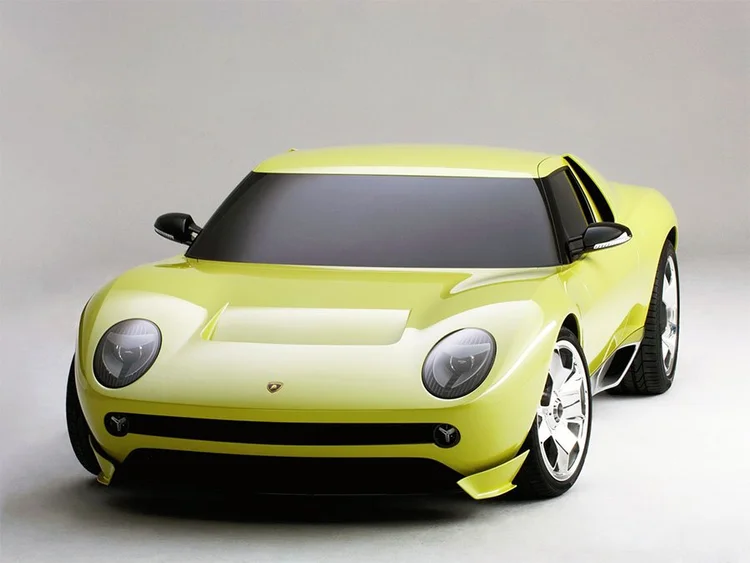
Comments